Thinking about a Ragdoll? Here's the honest Australian owner's guide — what they're really like to live with, what to feed them, what goes wrong, and what it all costs.
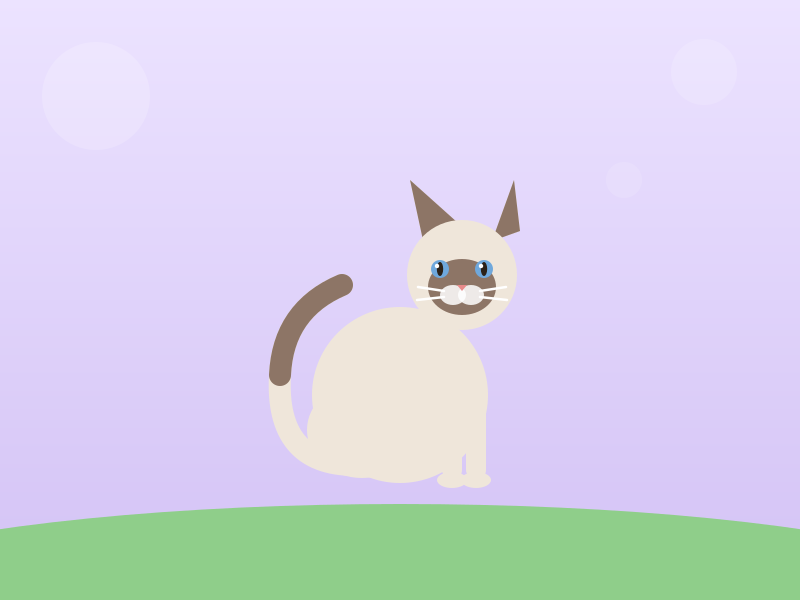
Ragdolls are known for their soft, semi-long coats, blue eyes and relaxed nature, making them a popular choice in Australian homes. People considering the breed often want to know what daily life with one is actually like, beyond the photos and breeder descriptions.
This guide covers the breed's temperament, exercise and grooming needs, recommended diet, common health concerns and expected lifespan. It also outlines what owners can expect to spend in Australia, from the initial purchase through to ongoing care, so readers can decide whether a Ragdoll suits their household and budget.
Key takeaways
- Ragdolls are generally calm, affectionate cats that suit indoor life and enjoy gentle play.
- Their coat needs regular brushing, and a quality diet helps manage their weight.
- Owners should budget for purchase, food and vet costs, including screening for heart conditions.
Ragdoll quick facts 📋
| Trait | Detail |
|---|---|
| Weight | 4–9 kg |
| Lifespan | 12–15 years |
| Exercise | 20–30 min indoor play daily |
| Grooming | Brush 2–3× weekly |
| Shedding | Moderate to heavy |
| With kids | Excellent |
This large, semi-longhaired cat has low to medium energy.
Temperament: what's a Ragdoll really like? 💛
Ragdolls can behave a bit like dogs. They often meet their owners at the door, follow them between rooms and relax completely when picked up.
- Gentle and calm around people
- Patient with respectful children
- Indoor only: their trusting nature leaves them vulnerable outside
Activity & play requirements 🏃
Ragdolls usually prefer gentle, relaxed play to high-energy activity. Owners can aim for:
- 20–30 minutes of daily wand-toy sessions
- Cat trees and window perches
- Fetch or harness training
The most recommended food for a Ragdoll 🍖
Most Ragdolls do well on a good-quality indoor cat food with a few useful features:
- Hairball control to help manage their semi-long coat
- Omega fatty acids for skin and fur condition
Ragdolls tend to have a relaxed metabolism. Measured portions help stop their fluffy build from turning into excess weight, so it’s worth weighing their meals.
Keeping the coat tidy ✂️
A brush 2–3 times a week is usually enough for this breed. Without a dense undercoat, their fur mats less than that of most longhairs.
Watch these areas:
- Britches (back of the thighs)
- Armpits
During seasonal moults, owners can brush more often. Hairball paste may help, too.
Health concerns and expected lifespan 🩺
Ragdolls usually live for 12–15 years. The main inherited condition in the breed is hypertrophic cardiomyopathy (HCM), a disease that thickens the heart muscle.
Owners can ask breeders whether the parent cats have had DNA testing or echocardiogram screening. It’s also worth booking a yearly heart check with the vet.
Australian pet insurance claims show these conditions come up most often:
| Condition | Why it affects Ragdolls | Typical vet cost (AUD) |
|---|---|---|
| HCM | Inherited in the breed | Echo $600–$900, plus ongoing medication |
| Chronic kidney disease | Common in older cats | $1,000–$3,000 per year |
| Bladder stones & FLUTD | Linked to indoor living | $1,500–$3,000 for surgery |
| GI issues & hairballs | Long, thick coat | $200–$1,500 per episode |
How much does a Ragdoll cost in Australia? 💰
Ragdoll kittens from a registered breeder usually sell for $1,500–$3,000. Ads offering kittens well below this range are often scams or backyard operations, so buyers are better off walking away.
| Expense | Typical cost (AUD) |
|---|---|
| Kitten from a registered breeder | $1,500–$3,000 |
| Accident and illness insurance | $35–$65 per month |
| Setup and first year | $3,000–$5,000 total |
The first-year figure covers items such as vaccinations, desexing, microchipping, a scratching post, litter supplies and food.
Does a Ragdoll suit your household? ✅
- Activity: 20–30 minutes of indoor play each day. Owners should be honest about the time they have.
- Diet: An indoor cat formula with hairball control and omega oils.
- Weight: Extra kilos increase this breed's health risks, so portion control matters.
- Health watch: Hypertrophic cardiomyopathy (HCM) is the main inherited risk. Buyers can ask breeders for screening results.