Thinking about a Maine Coon? Here's the honest Australian owner's guide — what they're really like to live with, what to feed them, what goes wrong, and what it all costs.
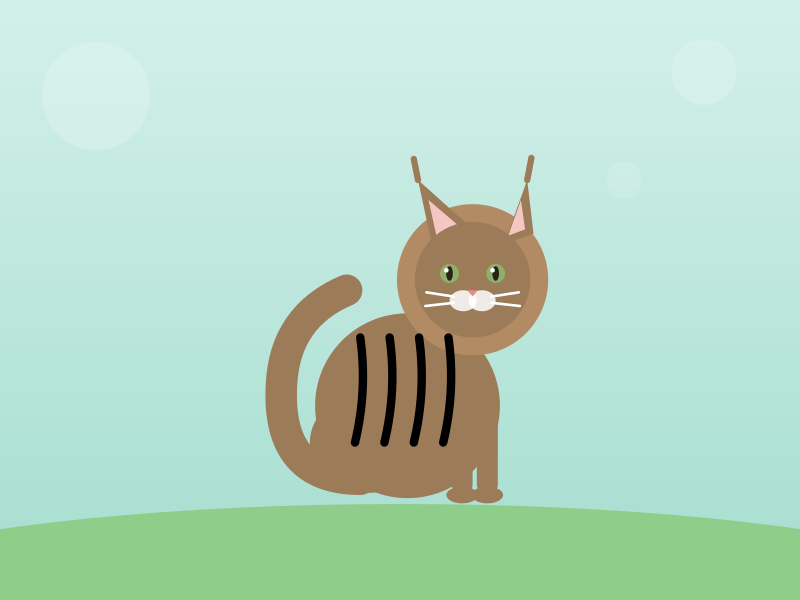
Maine Coons are one of the largest domestic cat breeds, known for their thick, shaggy coats, tufted ears and easy-going nature. They appeal to many Australian households, but their size, grooming needs and potential health issues mean they’re a better fit for some homes than others.
This guide covers what daily life with a Maine Coon involves, from temperament and feeding to common health concerns and the real costs of ownership in Australia. It can help prospective owners decide whether the breed is the right fit before they commit.
Key takeaways
- Maine Coons are large, sociable cats that usually get along well with families and other pets.
- They need regular grooming, play and a high-quality, protein-rich diet to stay healthy.
- Owners should plan for breed-related health risks and the upfront and ongoing costs in Australia.
Maine Coon at a glance 📋
| Trait | Details |
|---|---|
| Weight | 4–11 kg |
| Lifespan | 12–15 years |
| Exercise | 30+ minutes indoor play daily |
| Grooming | Brush 2–3 times weekly |
| Shedding | Heavy |
| With kids | Excellent |
| Traits | Giant, playful, long-coated |
Personality: what a Maine Coon is like to live with 💛
This large breed can reach around 10 kg and still keep its playful, kitten-like nature.
- Sociable but not clingy
- Chirps more than meows
- Often curious about water
- Takes 3–5 years to reach full size
They generally suit busy family homes.
Activity & enrichment requirements 🏃
Maine Coons are large cats with energy levels to match. They benefit from:
- 30+ minutes of interactive play daily
- Sturdy cat trees rated for heavy breeds
- Puzzle feeders for mental stimulation
Many enjoy walking on a harness, too.
Best Diet Choices for a Maine Coon 🍖
Vets often suggest a large-breed cat formula rich in animal protein, with added glucosamine to support the joints.
- Kitten food until about 15 months: Maine Coons mature slowly, so they need growth nutrition for longer.
- Lean body condition: Their large frame raises the risk of arthritis later in life. Keeping a cat trim can help it stay more mobile as it ages.
Grooming & care ✂️
The Maine Coon's thick, water-repellent coat should be brushed two to three times a week, especially around the mane, tummy and back legs.
Most enjoy the routine. Owners can also trim the hindquarter fur to keep things clean.
Typical health concerns and life expectancy 🩺
A Maine Coon generally lives for 12 to 15 years. The breed has some known inherited risks, so it’s worth planning ahead.
Australian insurance claims show these conditions come up most often:
| Condition | Why the breed is affected | Typical vet cost (AUD) |
|---|---|---|
| Hypertrophic cardiomyopathy (HCM) | Most commonly diagnosed heart disease in cats | $600–$900 for an echocardiogram, plus ongoing medication |
| Hip dysplasia | Large frames put pressure on joints | $3,000–$6,000 for surgery |
| Polycystic kidney disease (PKD) | Passed down in certain lines | $1,000–$3,000 per year to manage |
| Spinal muscular atrophy | Inherited condition specific to the breed | Diagnosis and supportive care costs vary |
Buyers should ask breeders for health screening results for both parents. Insurance that covers hereditary conditions can offer added protection.
How much does a Maine Coon cost in Australia? 💰
A registered breeder typically charges $1,800–$3,500 for a Maine Coon kitten. Very low-priced ads can be a sign of scams or kitten farms, so it’s best to steer clear.
| Expense | Typical cost (AUD) |
|---|---|
| Kitten from a registered breeder | $1,800–$3,500 |
| Accident and illness insurance | $35–$70 per month |
| Setup and first year | $3,000–$5,000 total |
The first-year budget usually includes vaccinations, desexing, microchipping, a large scratching post, a sturdy carrier and food.
Does a Maine Coon suit their household? ✅
- Play: At least 30 minutes of indoor play each day. Be realistic about what your routine allows.
- Diet: A large-breed cat formula with glucosamine, plus kitten food until about 15 months.
- Weight: Extra kilos increase this breed's health risks.
- Health: Hypertrophic cardiomyopathy (HCM) is the main inherited heart concern. Ask breeders for parental screening results.