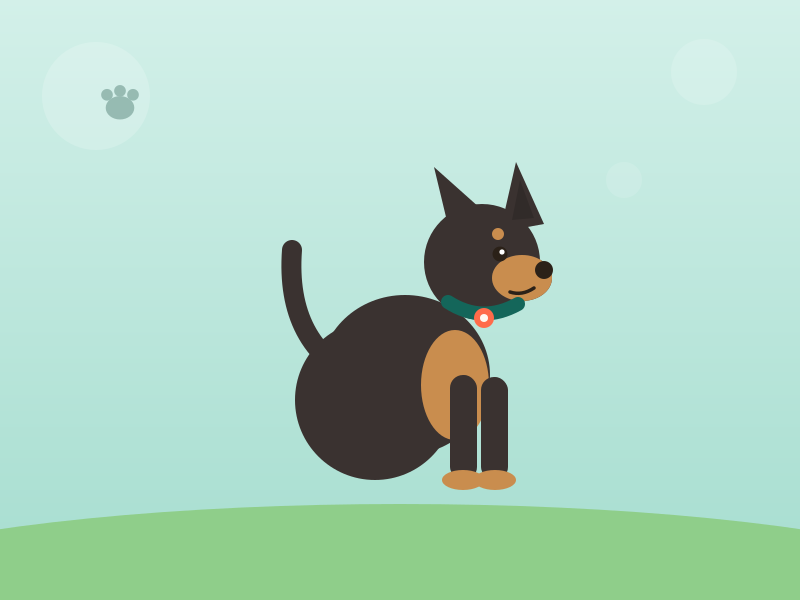
Thinking about a Australian Kelpie? Here's the honest Australian owner's guide — what they're really like to live with, what to feed them, what goes wrong, and what it all costs.
The Australian Kelpie is a working dog developed in Australia to muster sheep, and it’s still common on farms across the country. Many Australians are also drawn to the breed as a family pet, thanks to its intelligence, loyalty and athletic build.
Living with a Kelpie in a suburban home takes careful planning. The breed has high energy levels and a strong drive to work. This guide covers temperament, exercise, diet, grooming, health and the costs owners in Australia can expect, so people can decide whether a Kelpie suits their lifestyle.
Key takeaways
- Kelpies are smart, loyal, high-energy dogs that need daily physical and mental exercise.
- A quality diet, simple grooming and regular vet checks help keep them healthy for many years.
- Prospective owners should budget for the purchase price, food, vet care and ongoing costs.
Australian Kelpie at a glance 📋
| Trait | Detail |
|---|---|
| Size | Medium, 14–21 kg |
| Lifespan | 12–15 years |
| Exercise | 2+ hours daily |
| Grooming | Minimal |
| Shedding | Moderate |
| Kids | Suits active families |
Temperament: What Is an Australian Kelpie Really Like? 💛
The Kelpie is a tireless, highly intelligent Australian working dog that forms a strong bond with its handler.
As pets, they’re affectionate and loyal, but need plenty of daily exercise and mental work. A small backyard and one short walk a day won’t meet their needs.
Daily activity and mental work for Kelpies 🏃
Kelpies need more than two hours of genuine work each day. They tend to suit rural or active households best.
- Physical: running, herding, agility, long bushwalks
- Mental: learning jobs, tricks and new tasks
Brain work matters just as much as the distance covered.
The Best Diet for an Australian Kelpie 🍖
A working or active-dog formula suits most Kelpies. Look for quality animal protein and healthy fats, which provide steady energy for long days.
| Lifestyle | Feeding approach |
|---|---|
| Farm or working Kelpie | Usually self-regulates intake |
| Suburban Kelpie | Measured meals to prevent gradual weight gain |
Owners can weigh portions and check their dog’s body condition monthly.
Keeping the coat and nails in shape ✂️
This breed’s short coat is very low-maintenance. It needs an occasional brush, a bath when dusty, and regular nail and ear checks.
Kelpie health concerns & life expectancy 🩺
Most Kelpies live for 12–15 years. Their hardy genetics make them one of the more affordable breeds to insure in Australia.
Their energetic, full-throttle approach to work and play does carry risks, especially for joints and ligaments. Australian insurance claims point to these common issues:
| Condition | Why it affects Kelpies | Usual vet cost (AUD) |
|---|---|---|
| Cruciate & orthopaedic injuries | Heavy demands on working and sporting dogs | $3,500–$6,000 per knee |
| Progressive retinal atrophy | Inherited blindness in certain lines | $500+ to diagnose; no cure |
| Hip dysplasia | Less common than in most medium breeds | $5,000–$7,000 for surgery |
| Farm & outdoor accidents | Snake bites, cuts, falls from utes | $500–$5,000+ for emergency care |
Tip: Owners can lower risks by using a tether or crate on the ute tray and asking breeders about eye testing.
How Much Does an Australian Kelpie Cost in Australia? 💰
A Kelpie puppy from a registered breeder usually sells for $800–$2,500. Very cheap listings are often scams or puppy farms, so careful buyers steer clear.
| Expense | Typical cost (AUD) |
|---|---|
| Puppy | $800–$2,500 |
| Accident + illness insurance | $40–$75 per month |
| Setup and first year | $3,000–$5,000 total |
The first-year figure generally covers vaccinations, desexing, microchipping, council registration, bedding, a crate and food.
Does a Kelpie Suit the Household? ✅
- Exercise: At least 2 hours each day. Owners should honestly assess their routine before committing.
- Food: A working-dog formula with good-quality protein and fat.
- Insurance: About $40–$75 per month.
- Weight: Extra kilos increase the breed’s health risks.
- Health watch: Cruciate ligament and other orthopaedic injuries are the most common concern.