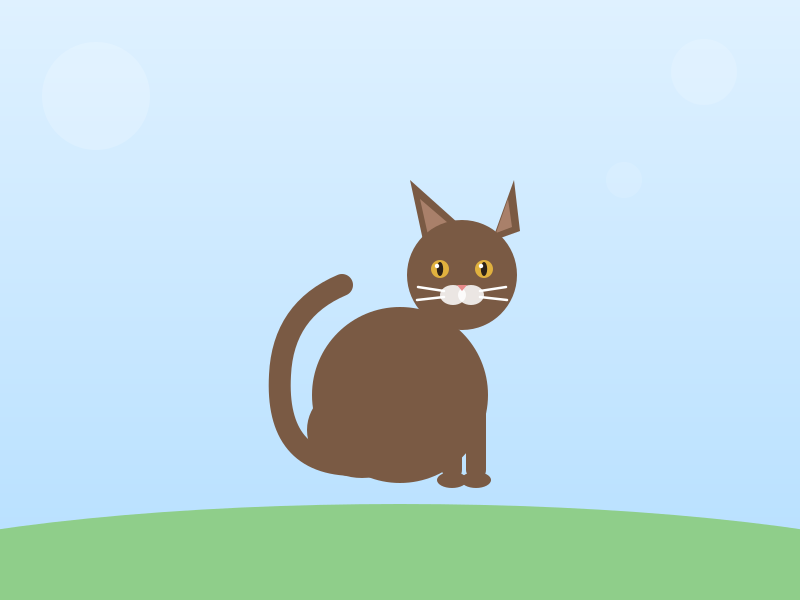
Thinking about a Burmese? Here's the honest Australian owner's guide — what they're really like to live with, what to feed them, what goes wrong, and what it all costs.
The Burmese is one of Australia's most popular cat breeds, and it’s earned that place through its sociable, people-focused nature. These cats tend to follow their owners from room to room, ask for attention and settle happily on a warm lap. They suit households where someone’s home for a good part of the day.
This guide covers what Australian owners can expect from a Burmese, including temperament, exercise, diet, grooming, common health conditions and the realistic costs of ownership. It should help prospective owners decide whether the breed fits their lifestyle and budget before bringing a kitten home.
Key takeaways
- Burmese cats are affectionate and social, and they do best with regular company.
- A quality diet, daily play and simple grooming help keep them healthy.
- Owners should budget for breed-related health checks and ongoing care costs.
Burmese at a glance 📋
| Trait | Detail |
|---|---|
| Size/weight | 3–6 kg |
| Lifespan | 14–18 years |
| Exercise | 30+ minutes of active play daily |
| Grooming | Minimal |
| Shedding | Low |
| With kids | Excellent |
Small-to-medium, high-energy cats with a sleek short coat.
Temperament: what's a Burmese really like? 💛
The Burmese is a social, people-focused cat. It’s chatty and playful, and expects plenty of attention.
- Keeps a kitten-like streak well into its senior years
- Picks up tricks quickly
- Tends to sulk when left alone
Many households keep two, so neither cat gets lonely.
Keeping a Burmese Active 🏃
Burmese are high-energy cats and need at least 30 minutes of interactive play each day.
- Climbing shelves
- Puzzle feeders
- Fetch, which many enjoy
Without enough activity, they can become noisy and destructive.
Best Food Choices for a Burmese Cat 🍖
The Burmese is a muscular, athletic cat, so a high-protein diet suits the breed well.
- Measured meals: They’re food-motivated and will often ask for extras, so portion control helps prevent weight gain.
- Wet food: It adds moisture, which supports hydration and urinary health.
Keeping the coat and dog tidy ✂️
The satin coat needs little work. A weekly rub with a damp chamois keeps it glossy.
- Nails: trim fortnightly
- Ears: check weekly
- Teeth: brush most days
Typical health issues and life expectancy 🩺
Burmese cats usually live 14–18 years. Australian Burmese lines have a higher risk of diabetes, so keeping them at a healthy weight is important.
Owners should watch for increased drinking and urination, both common early signs of diabetes.
| Condition | Why it affects Burmese | Typical vet cost (AUD) |
|---|---|---|
| Diabetes mellitus | Inherited tendency in Australian lines | $1,000–$2,000 per year for insulin and monitoring |
| Dental disease | Common and tends to recur | $500–$1,500 per year |
| Hypokalaemia | Inherited low-potassium episodes | $300–$1,000 per episode |
| Feline asthma and respiratory issues | Seen in the breed | Ongoing inhalers and medication |
Pet insurance that covers chronic conditions may suit this breed.
How much does a Burmese cost in Australia? 💰
A Burmese kitten from a registered breeder usually costs $1,200–$2,500. Ads offering much lower prices are often scams or kitten farms, so buyers are better off walking away.
| Expense | Typical cost (AUD) |
|---|---|
| Kitten from a registered breeder | $1,200–$2,500 |
| Accident and illness insurance | $30–$60 per month |
| Setup and first year, all-in | $3,000–$5,000 |
The first-year figure covers items such as vaccinations, desexing, microchipping, food, litter and bedding.
Is a Burmese the right match? ✅
- Exercise: At least 30 minutes of active play each day. Owners should be honest about their routine.
- Food: A high-protein diet, with wet food added for hydration.
- Weight: Extra kilos increase this breed's health risks.
- Health watch: Diabetes mellitus is the breed's main known risk.