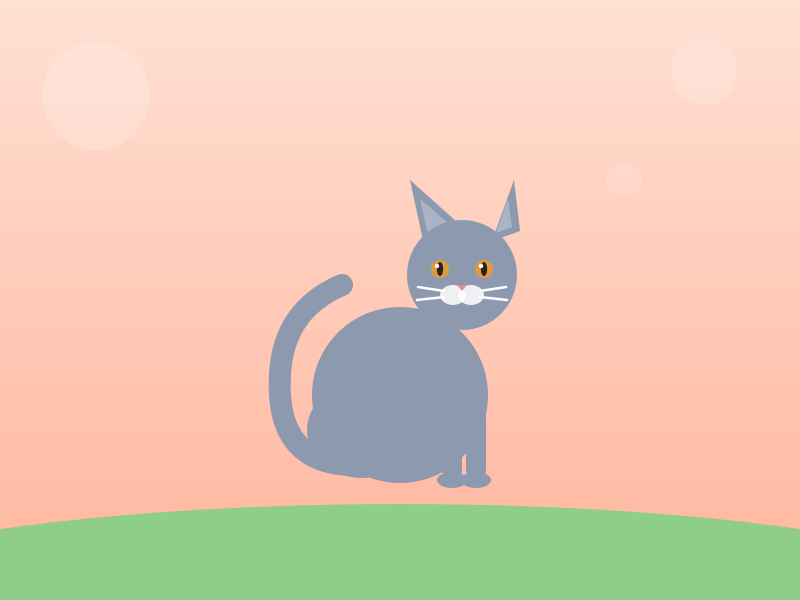
Thinking about a British Shorthair? Here's the honest Australian owner's guide — what they're really like to live with, what to feed them, what goes wrong, and what it all costs.
The British Shorthair is a popular choice in Australian homes, thanks to its round face, dense coat and easygoing nature. Before bringing one home, it helps to understand what day-to-day life with the breed involves, from diet and grooming to health risks and costs.
This guide covers temperament, exercise, feeding, coat care, common health conditions, lifespan and the cost of buying and owning a British Shorthair in Australia. It should help prospective owners make a practical, well-informed decision.
Key takeaways
- British Shorthairs are generally calm and affectionate, but often prefer not to be picked up.
- Portion control, regular play and weekly brushing help prevent weight gain and keep their coat healthy.
- Owners should budget for the purchase price, vet care and pet insurance, and choose a breeder who health-tests for conditions such as heart and kidney disease.
British Shorthair quick facts 📋
| Trait | Details |
|---|---|
| Weight | 4–8 kg |
| Lifespan | 12–17 years |
| Exercise | Gentle indoor play |
| Grooming | Weekly brush |
| Shedding | Moderate |
| With kids | Suits calm households |
| Build and coat | Medium–large, calm, plush short coat |
Temperament: what's a British Shorthair really like? 💛
British Shorthairs are calm, easygoing and affectionate, but not usually clingy. Most would rather sit next to their owner than curl up on a lap.
They tend to suit:
- Quiet households
- Apartments and units
- People who work long hours
Activity and play needs 🏃
British Shorthairs are happy with gentle daily play, though they can put on weight easily.
Short, scheduled sessions with wand toys help keep their stocky build lean rather than round.
Best Diet Choices for a British Shorthair 🍖
Vets generally suggest a calorie-controlled indoor formula for this breed. Check the ingredients list for a named meat, such as chicken or lamb, near the top.
- Measure each meal rather than free-feeding
- Follow the feeding guide on the pack, adjusted for the cat's ideal weight
- Weigh the cat monthly
Keeping their weight in check helps protect their heart and joints.
Coat care and grooming routine ✂️
The plush double coat needs a weekly brush, with a few extra sessions during moulting season.
- Check ears fortnightly
- Trim nails monthly
- Offer dental chews
Health issues and life expectancy 🩺
British Shorthairs usually live between 12 and 17 years. Many reach their senior years, so insurance that covers age-related care is worth considering.
Two known inherited conditions are HCM and PKD. Reputable breeders test their cats for both, and buyers can ask to see the results.
Australian claims data shows these are the most common conditions:
| Condition | Why the breed is prone | Typical vet cost (AUD) |
|---|---|---|
| Hypertrophic cardiomyopathy (HCM) | Inherited heart disease | Echo $600–$900, plus ongoing medication |
| Polycystic kidney disease (PKD) | Inherited kidney cysts | $1,000–$3,000 per year |
| Obesity & diabetes | Calm cats gain weight easily | Insulin and monitoring $1,000+ per year |
| Dental disease | Common in the breed | $500–$1,500 per year |
How much does a British Shorthair cost in Australia? 💰
A British Shorthair kitten from a registered breeder usually costs $1,500–$3,000. Very cheap online ads can be scams or backyard operations, so it’s best to steer clear.
| Expense | Typical cost (AUD) |
|---|---|
| Kitten from a registered breeder | $1,500–$3,000 |
| Accident and illness insurance | $35–$65 per month |
| Setup and first year | $3,000–$5,000 |
First-year costs usually include desexing, vaccinations, microchipping, council registration, a scratching post and litter supplies.
Does this breed suit the household? ✅
- Exercise: Gentle indoor play sessions are enough for most of these cats.
- Food: A calorie-controlled indoor formula with measured portions works best.
- Weight: Extra kilos increase this breed's health risks, so regular weigh-ins help.
- Health watch: Hypertrophic cardiomyopathy (HCM) is the main heart condition owners should discuss with their vet.