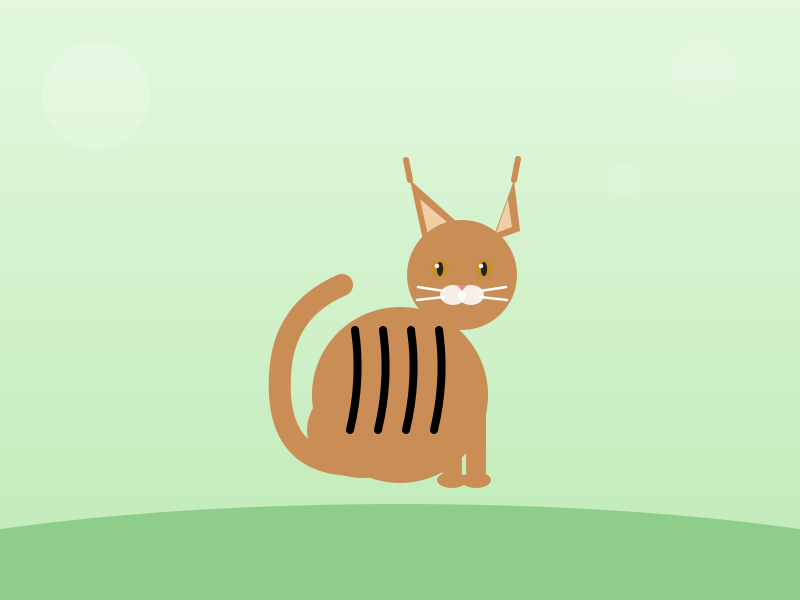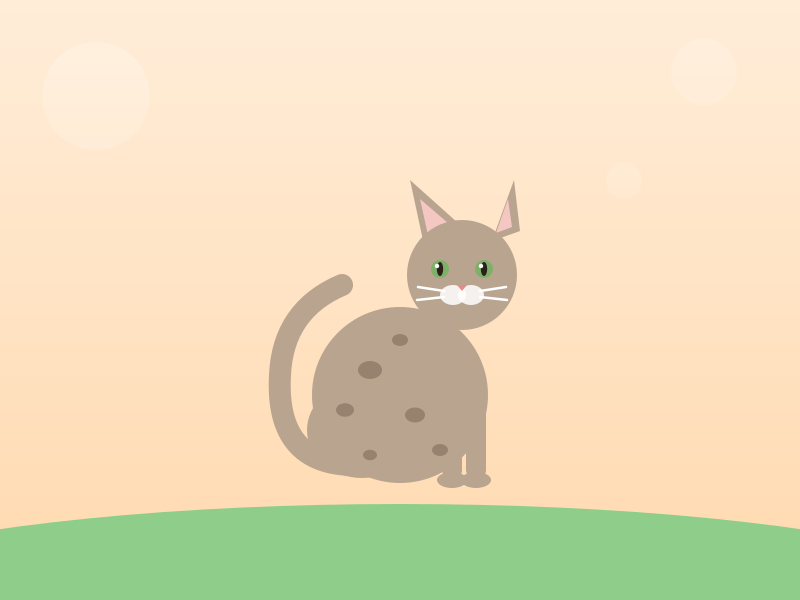
Thinking about an Australian Mist? Here's the honest Australian owner's guide to our only home-grown cat breed — what they're really like to live with, what to feed them, what goes wrong, and what it all costs.
The Australian Mist is the only cat breed developed in Australia. It was created in Sydney from the 1970s onwards by crossing Burmese, Abyssinian and domestic shorthair cats, with the aim of producing a friendly, easy-going companion for indoor family life.
This guide covers what the breed is like to live with, from temperament and activity levels to diet, grooming, common health concerns and typical costs in Australia. It’s for owners and prospective owners looking for practical, realistic information before bringing one home.
Key takeaways
- The Australian Mist is a home-grown breed known for its gentle, sociable nature, which generally suits indoor living.
- It needs regular play, a quality complete diet and only light grooming to stay healthy.
- Owners should budget for the purchase price, ongoing care and routine vet checks throughout the cat's life.
Australian Mist quick facts 📋
| Trait | Details |
|---|---|
| Size/weight | Medium, 4–7 kg |
| Lifespan | 14–19 years |
| Exercise | 20–30 min interactive play daily |
| Grooming | Minimal |
| Shedding | Low–moderate |
| With kids | Excellent |
| Temperament | Calm, indoor-friendly |
| Coat | Spotted or marbled, misted |
Temperament: what's an Australian Mist really like? 💛
Dr Truda Straede developed the breed in Sydney during the 1970s and 80s, crossing Burmese, Abyssinian and local domestic shorthair cats. She wanted a cat that would be content living indoors.
Owners can usually expect:
- A calm, affectionate nature: they’re happy on a lap or close by.
- Tolerance of handling: they suit families with children and older owners.
- Playfulness: this comes from the Burmese side, though they’re usually less vocal and demanding.
- Low prey drive: they’re gentler on native wildlife during supervised time in a catio or on a harness.
Exercise & training needs 🏃
The Australian Mist is a moderately active cat. It enjoys a good play session, then is generally happy to settle down. That’s one reason the breed is often described as well suited to indoor living.
Kittens and young adults tend to have the most energy. Most Mists become calmer with age, but usually keep a playful streak well into their senior years.
Daily activity at a glance
| Life stage | Suggested active play | Notes |
|---|---|---|
| Kitten (up to 12 months) | 3–4 short sessions, 10–15 minutes each | Short bursts suit developing bodies and attention spans |
| Adult (1–8 years) | 2 sessions, 15–20 minutes each | Morning and evening play often fits their natural activity peaks |
| Senior (8+ years) | 1–2 gentle sessions, 10 minutes each | Lower jumps and slower games help protect ageing joints |
These are general guides. A vet can adjust them to suit a cat's weight, health and temperament.
Keeping an indoor Mist active
Because the breed was developed with indoor life in mind, owners need to bring the exercise to the cat. A few useful options:
- Wand and feather toys – these let the cat stalk, chase and pounce, which fits natural hunting behaviour.
- Cat trees and wall shelves – vertical space provides climbing exercise and a safe lookout spot.
- Puzzle feeders – making a cat work for some of its daily food adds mental and physical activity.
- Rotating toys – swapping toys every few days can help prevent boredom.
- Cat enclosures (catios) – these offer fresh air and outdoor stimulation without the risks of roaming.
Weight gain is a common problem in indoor cats. Regular play and measured meals help keep a Mist at a healthy body condition.
Containment rules in Australia
Many Australian councils now have cat curfews or 24-hour containment requirements. The ACT, for example, requires containment for cats born on or after 1 July 2022. A number of councils in Victoria, Western Australia and South Australia have their own local rules, too.
Owners should check with their local council before letting a cat outdoors. The Mist's relaxed temperament can make it easier than many breeds to keep indoors or in an enclosure.
Training tips
Australian Mists are sociable and people-focused, which tends to make them responsive to training. Short, positive sessions work best.
Behaviours many owners teach successfully include:
- Coming when called – pair the cat's name with a treat or a favourite toy.
- Using a scratching post – place posts near sleeping areas and reward the cat for using them.
- Walking on a harness – start indoors, let the cat wear the harness for a few minutes at a time, then build up slowly before going outside.
- Carrier training – leaving the carrier out with bedding and treats inside can make vet visits less stressful.
- Simple tricks – clicker training can teach actions such as sit, high-five or jumping onto a mat.
Rewards matter more than corrections. Small treats, praise and play reinforce good behaviour, while scolding or physical punishment can make a cat anxious and less willing to engage.
Keep sessions to around five minutes and try to finish on a success. Consistency from everyone in the household also makes training quicker and clearer for the cat.
Top Food Pick for an Australian Mist 🍖
An indoor cat formula with hairball control suits the way most Australian Mists live. When comparing labels, owners can look for:
- Moderate calories to match a less active indoor routine
- Quality animal protein listed as the first ingredient
- Added fibre to help swallowed fur pass through
Portion control matters most. Desexed indoor cats often gain weight slowly, and extra kilos raise this breed's risk of diabetes and urinary problems.
Feeding a mix of wet and dry food can increase water intake, supporting urinary health. Weighing meals on kitchen scales keeps portions accurate.
Keeping a Mist Neat and Healthy ✂️
The Australian Mist's short, spotted coat needs little upkeep. A weekly brush clears loose fur, and most Mists enjoy the attention.
- Nails: trim every few weeks
- Ears: check weekly for wax
- Teeth: brush regularly, as dental issues are the breed's most common insurance claim
Typical health concerns and life expectancy 🩺
Australian Mists usually live for 14 to 19 years. Their background includes mixed domestic shorthair lines, giving the breed a broad and generally healthy gene pool.
Most Mists live indoors and are desexed, and that lifestyle shapes the problems vets see most often. Weight-related diabetes and urinary issues are common, with dental disease close behind.
| Condition | Why Mists are prone to it | Typical vet cost (AUD) |
|---|---|---|
| Obesity & diabetes | Indoor living and desexing slow the metabolism | $1,000–$2,000 per year for insulin and monitoring |
| Urinary tract disease (FLUTD/cystitis) | Common in indoor cats, especially if dehydrated or stressed | $400–$1,500 per episode; $2,000+ for a blocked bladder |
| Dental disease | Frequent and recurring in all cats | $500–$1,500 per year |
| Hairballs & digestive upsets | Thorough self-grooming means swallowed hair | $200–$800 per episode |
Owners can lower these risks by:
- measuring meals
- offering a water fountain or wet food
- brushing weekly
- booking a yearly dental check
How much does an Australian Mist cost in Australia? 💰
The Australian Mist is still a fairly uncommon breed, so buyers often join a breeder's waiting list. Very cheap listings are a common sign of a scam.
| Expense | Typical cost (AUD) |
|---|---|
| Kitten from a registered breeder | $800–$1,500 |
| Accident and illness insurance | About $25–$45 per month |
| Setup and first-year costs | $2,000–$3,500 in total |
First-year costs usually cover vaccinations, desexing, microchipping, council registration, a carrier, a litter tray and scratching posts.
Does an Australian Mist suit the household? ✅
- Activity: 20–30 minutes of interactive play each day keeps this breed content indoors.
- Diet: An indoor formula with hairball control, served in measured portions.
- Weight: Keeping the cat lean matters, as extra kilos raise this breed's risk of diabetes and urinary problems.
- Monitoring: Weigh the cat regularly and check with a vet if you notice any gain.