Japan has exactly one native pedigree cat breed — the Japanese Bobtail, the real cat behind every waving maneki-neko figurine — but Japan's love affair with cats runs far deeper. This guide covers the native Bobtail in detail, then the ten international breeds that dominate Japanese cat cafés and living rooms, with temperament notes and honest Australian availability for each.
The one truly Japanese breed 🗾
Japan's cat history starts around the 6th century, when cats arrived from China aboard ships carrying Buddhist scriptures — prized for protecting the scrolls from rats. Over centuries of isolation, one population developed a distinctive short, kinked tail through natural selection. That cat became the Japanese Bobtail: the only major pedigree breed Japan gave the world.
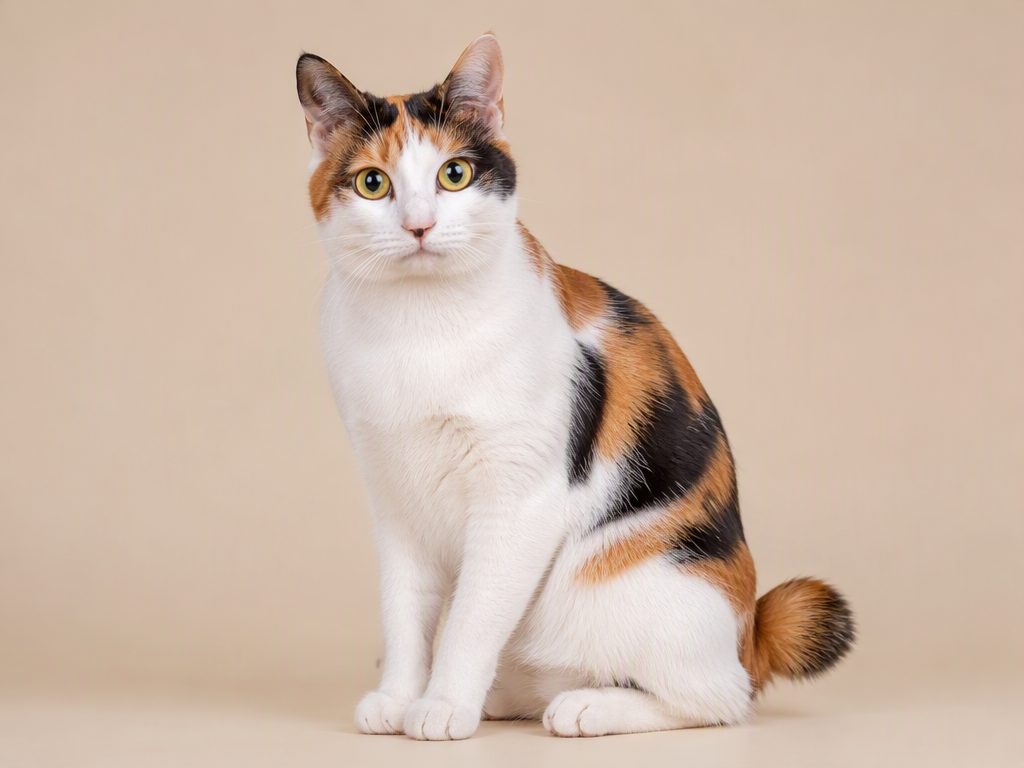
Japanese Bobtail
The original Japanese cat, documented for over a thousand years and officially treasured in Japan for centuries. The bobbed tail is a natural recessive mutation — each one is unique, kinked and pom-pom-like — and unlike the Manx gene it causes no health problems. Mi-ke (calico) Bobtails are the traditional lucky cats.
Personality: bright, chatty and people-obsessed. Bobtails "sing" in a soft, chiming voice, fetch like dogs, learn tricks fast, and famously love carrying toys around the house. They're athletic jumpers but gentle with children and other pets.
In Australia: rare. A small number of registered breeders, mostly NSW and Victoria; expect $1,200–$2,500 and a waiting list. Health is excellent — one of the hardiest pedigree breeds, with few inherited issues and a 15–18 year lifespan.
The maneki-neko connection 🐈
Every "beckoning cat" figurine in every sushi restaurant on earth depicts a calico Japanese Bobtail with one paw raised. The most famous origin story comes from Gotokuji Temple in Tokyo, where — legend says — the temple cat raised its paw to beckon a passing feudal lord inside just before lightning struck the spot where he'd been standing. The temple still sells maneki-neko figurines today, and the calico (mi-ke) Bobtail remains the classic "lucky cat". If you've ever wanted a lucky cat of your own, this is the breed you're actually looking at.
The breeds Japan loves most 🏆
Modern Japan's cat scene is shaped by apartment living and cat-café culture: compact, calm, plush-coated breeds with round faces dominate registrations and café line-ups alike. These are the ten breeds you'll meet most often in Japan — all available (with varying rarity) in Australia.
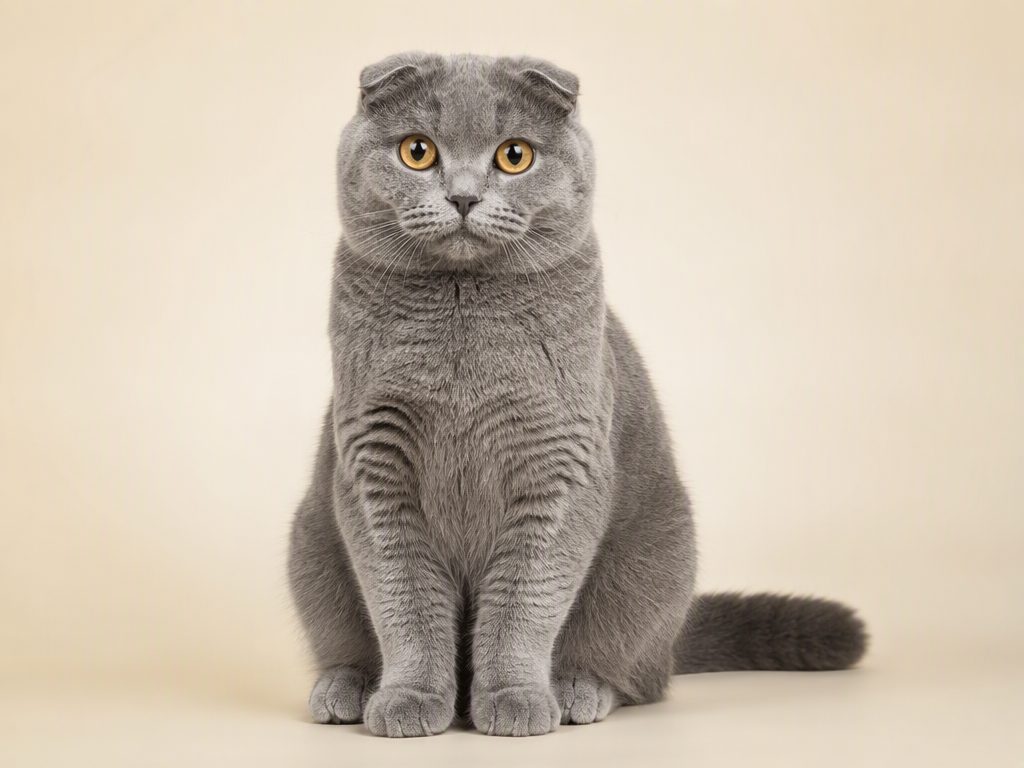
Scottish Fold
Japan's most-registered breed for much of the past decade. The folded ears and owl-round face fit the Japanese kawaii aesthetic perfectly, and their placid, sofa-loving nature suits apartment life. Note: the fold gene affects cartilage, so buy only from breeders who health-test — our profile explains what to ask.
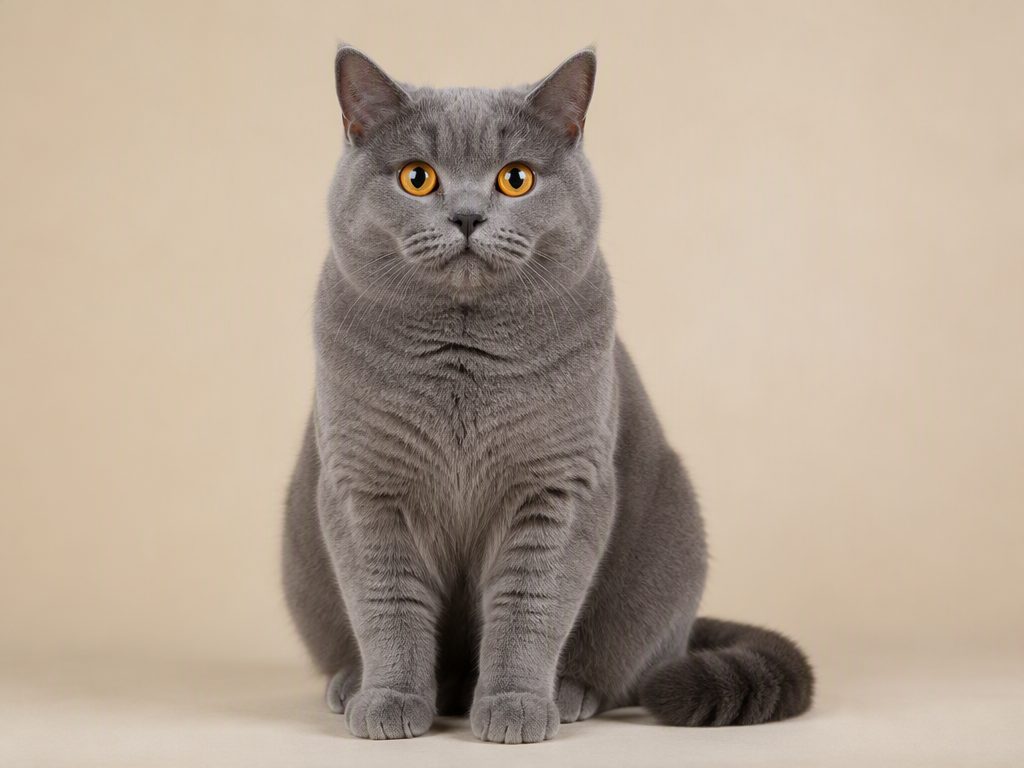
British Shorthair
The teddy-bear cat: dense plush coat, copper eyes, and a calm, undemanding temperament that made it a fixture of Japanese cat cafés. Low-drama, low-grooming, happy alone while you work — possibly the easiest pedigree cat to live with.
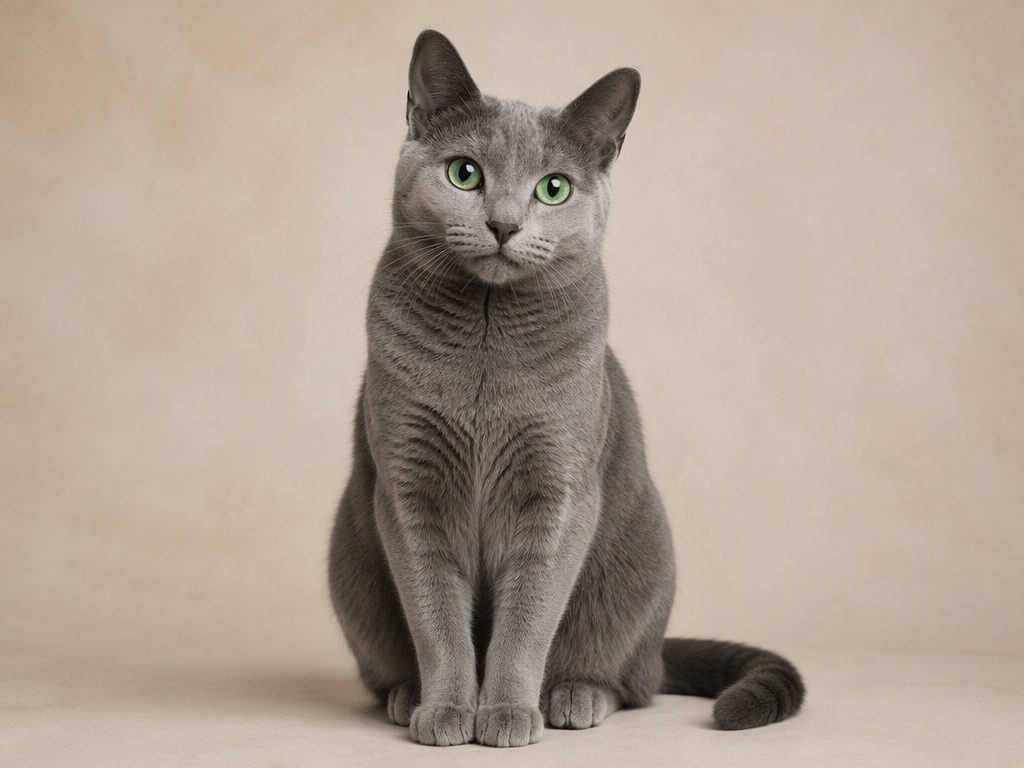
Russian Blue
A quiet, silver-tipped aristocrat that bonds deeply with one person. Japanese owners love the Russian Blue's reserved politeness and hypoallergenic-leaning coat. Shy with strangers, devoted at home, and famously tidy.
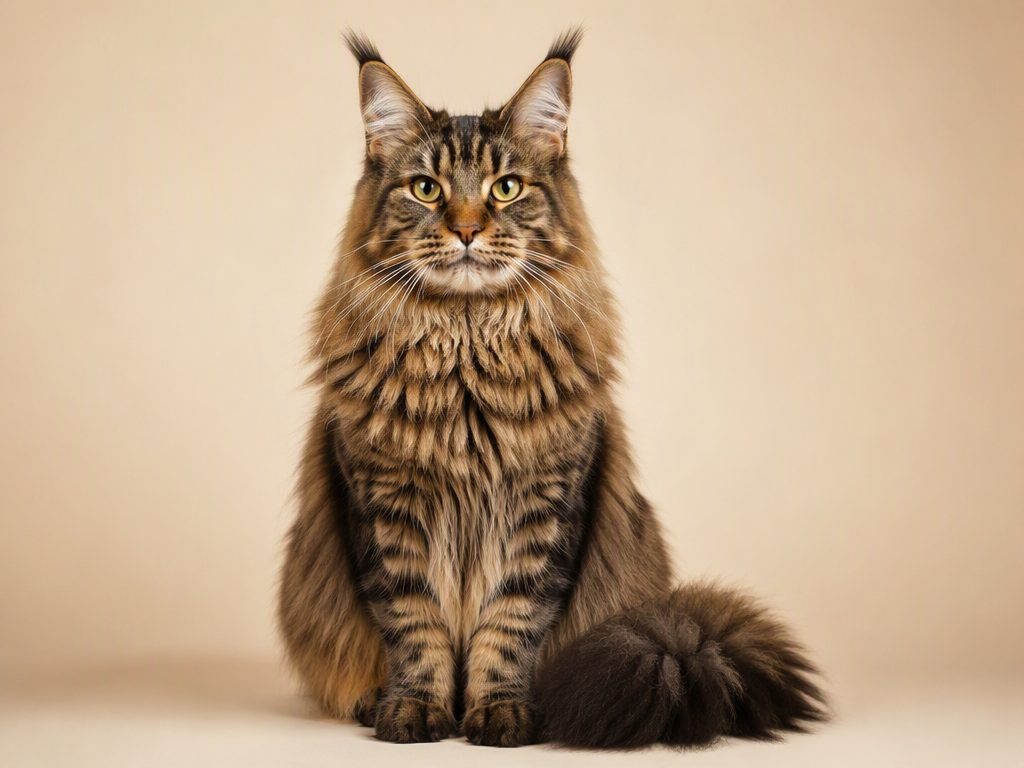
Maine Coon
The gentle giant of the cat world is huge in Japan — literally and figuratively. Dog-like, sociable and endlessly patient, Maine Coons headline many Japanese cat cafés. In Australia they're popular and (relatively) easy to find, but buy from breeders who screen for HCM.
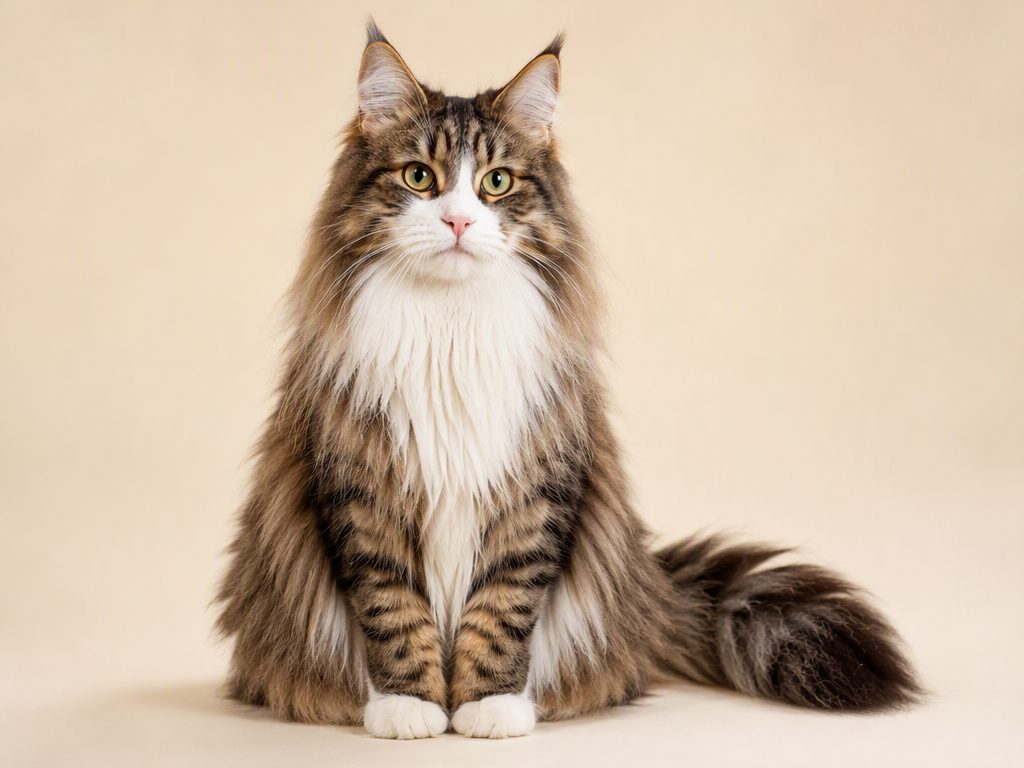
Norwegian Forest Cat
The Maine Coon's Nordic cousin: a huge, waterproof-coated climber with a triangular face and a plumed tail. Japan's cat fancy has adored the Wegie for decades. Calm, athletic, and a champion of cat-café climbing walls.
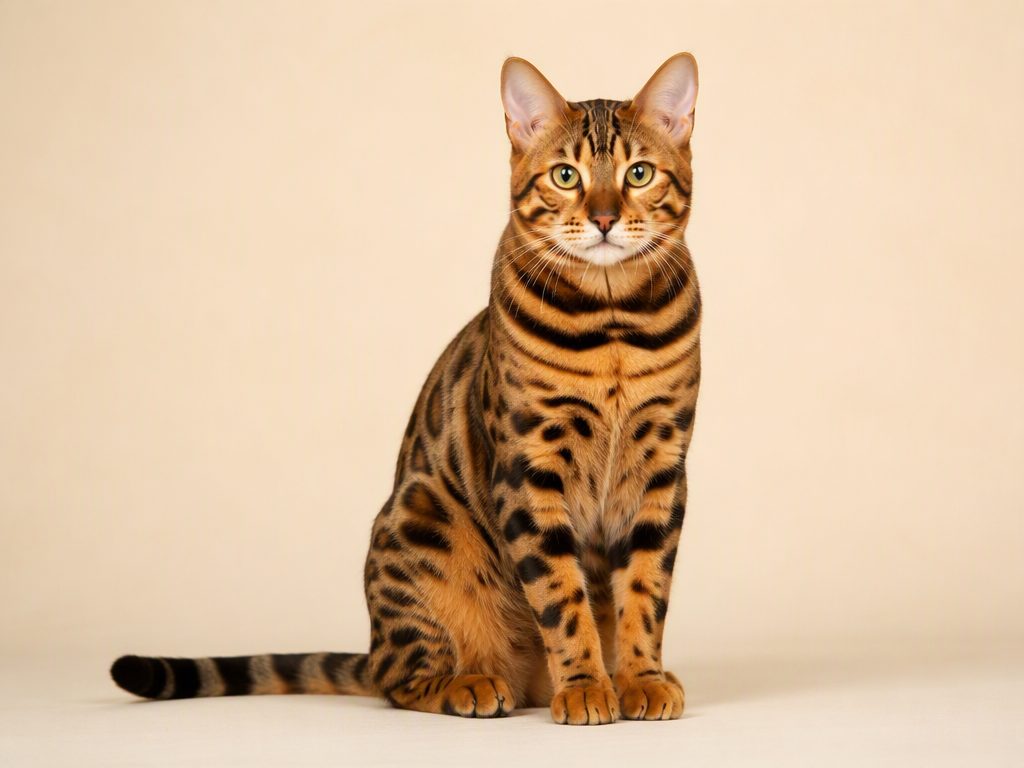
Bengal
The leopard-spotted showstopper is Japan's fastest-rising breed. High energy, high intelligence, high maintenance — a Bengal is a lifestyle, not an ornament. Brilliant for active homes; a demolition crew for bored ones.
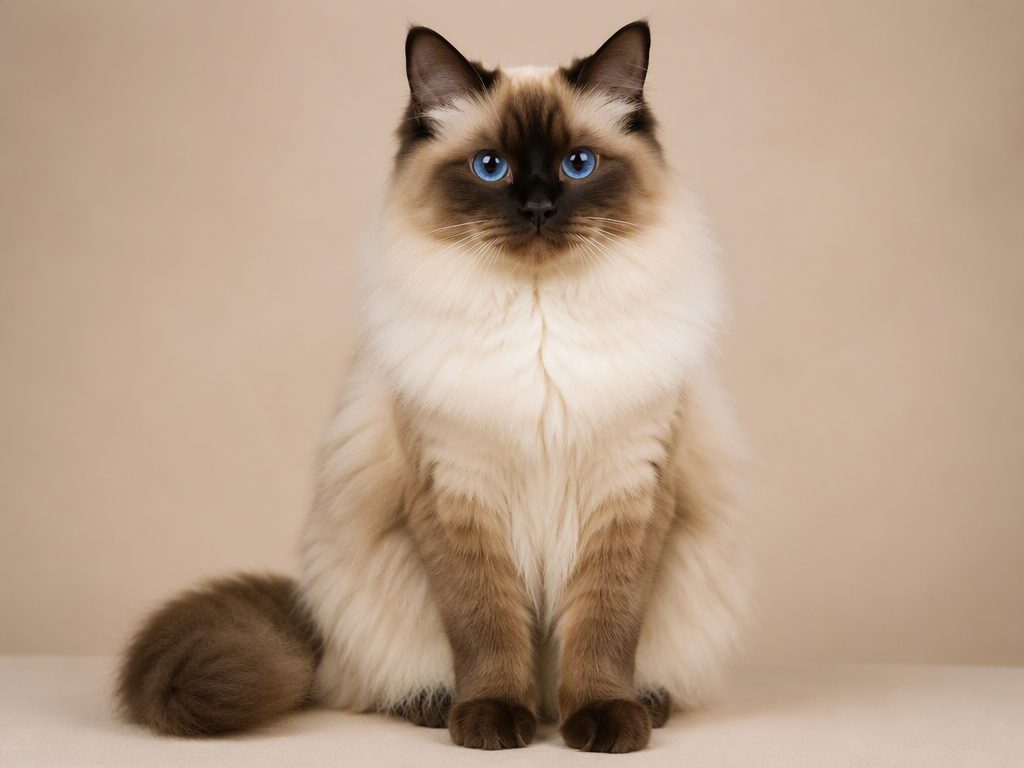
Ragdoll
The floppy, blue-eyed lap cat that goes limp when picked up. Ragdolls are café favourites across Osaka and Tokyo because they genuinely enjoy being handled. Australia's most popular pedigree cat, so kittens are easy to find — choose a registered breeder.
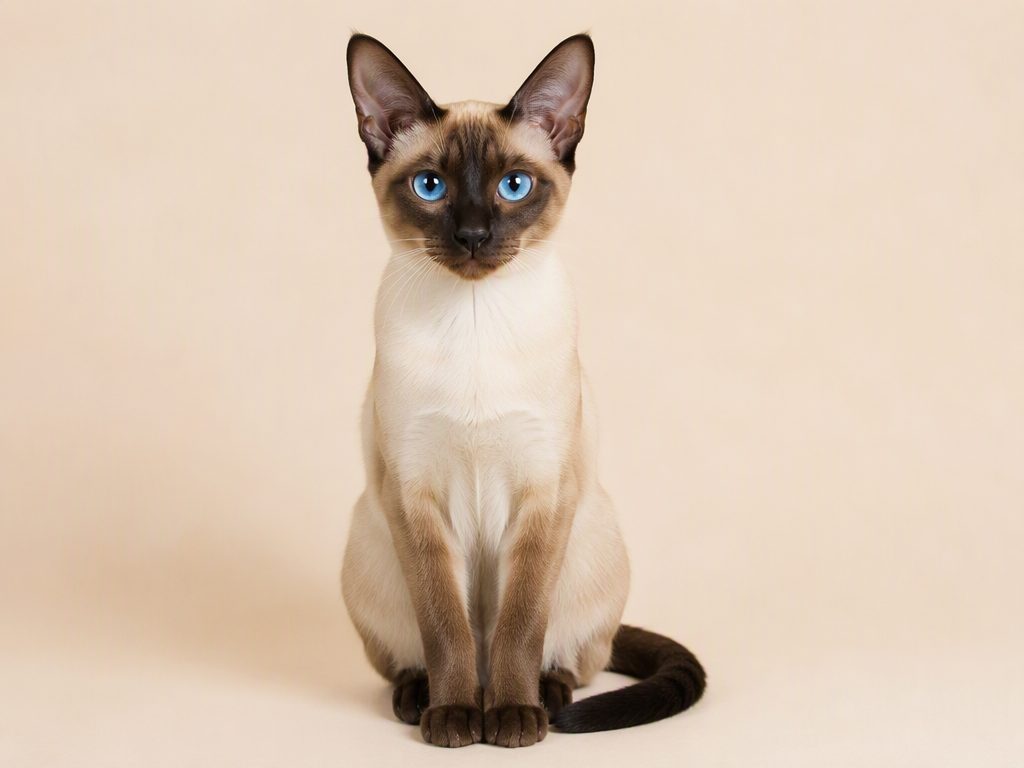
Siamese
One of the first oriental breeds to reach Japan, and still a staple. Sleek, vocal and intensely social — a Siamese doesn't live with you so much as supervise you. Great for people who want a cat with opinions.
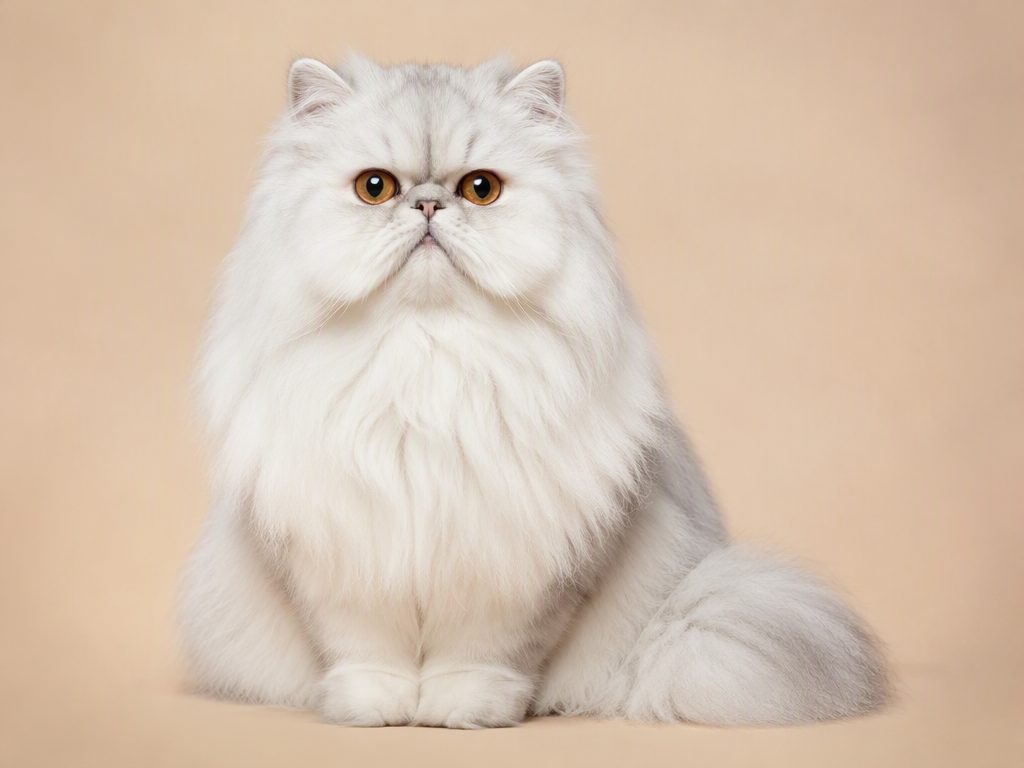
Persian
The original luxury lap cat, popular in Japan since the 1970s boom. Gloriously fluffy, gloriously lazy, and gloriously high-maintenance: daily grooming is non-negotiable. Best for calm homes that want a living cushion with opinions about dinner time.
Choosing between them 🤔
If you want a piece of genuine Japanese cat history, the Japanese Bobtail is the only answer — chatty, athletic, dog-like in its loyalty, and rare enough in Australia that you'll wait for a kitten. If what you actually love is the Japanese aesthetic of round faces and plush coats, the Scottish Fold, British Shorthair and Russian Blue all deliver that look with much shorter waiting lists. And if you're not sure where to start, spin the cat breed generator or take the breed quiz — seven questions, one considered match.