Dog enrichment gives your dog safe opportunities to think, sniff, explore, play, chew, solve problems and connect. It is not about buying a mountain of gadgets or exhausting your dog. The best enrichment fits your dog's personality and everyday life.
If your dog digs up the garden, barks at every sound or turns your skirting board into a chew toy, it is tempting to look for one miracle product. A better approach is to offer a mix of small, appropriate outlets throughout the week. Some dogs love food puzzles; others prefer a slow sniff around the block, a training game or ten minutes of undivided attention.
The quick-start version
- Start easy, supervise new activities and let your dog opt out.
- Use part of your dog's normal food allowance for food games.
- Mix scent, feeding, cognitive, environmental and social enrichment.
- Rotate a few suitable toys instead of leaving everything out.
- Enrichment complements exercise, rest and veterinary or behaviour care—it does not replace them.
What is dog enrichment?
Dog enrichment means mentally and physically stimulating activities that engage a dog's mind, body and senses. The RSPCA's enrichment guidance describes cognitive, environmental, feeding, musical, scent and social forms. One activity can cover several types: a training session at the park, for example, can combine problem-solving, exploration and time with you.
The goal is not constant entertainment. Dogs also need uninterrupted rest. Good enrichment adds choice and appropriate stimulation, then gives your dog time to decompress.
Why is dog enrichment important?
Enrichment lets dogs be dogs. Sniffing, foraging, digging, running, playing and interacting are natural behaviours, and suitable outlets can support relaxation, resilience and the bond you share. It can also help when unwanted behaviour is linked to unmet needs—but chewing, barking, pacing or withdrawal can have medical, fear or anxiety-related causes too.
Watch the dog in front of you rather than following a universal formula. A confident young Kelpie may relish a complex puzzle; a worried rescue dog may benefit more from a predictable scent game in a quiet room.
35 dog enrichment ideas to try
You do not need to try all 35. Pick two or three that suit your dog, begin with the easiest version and rotate them through the week.
Food and foraging enrichment
- Scatter-feed breakfast. Scatter part of your dog's normal kibble on a clean floor or safe patch of grass and let them sniff it out. Keep them away from weeds, seeds, fertiliser and other hazards.
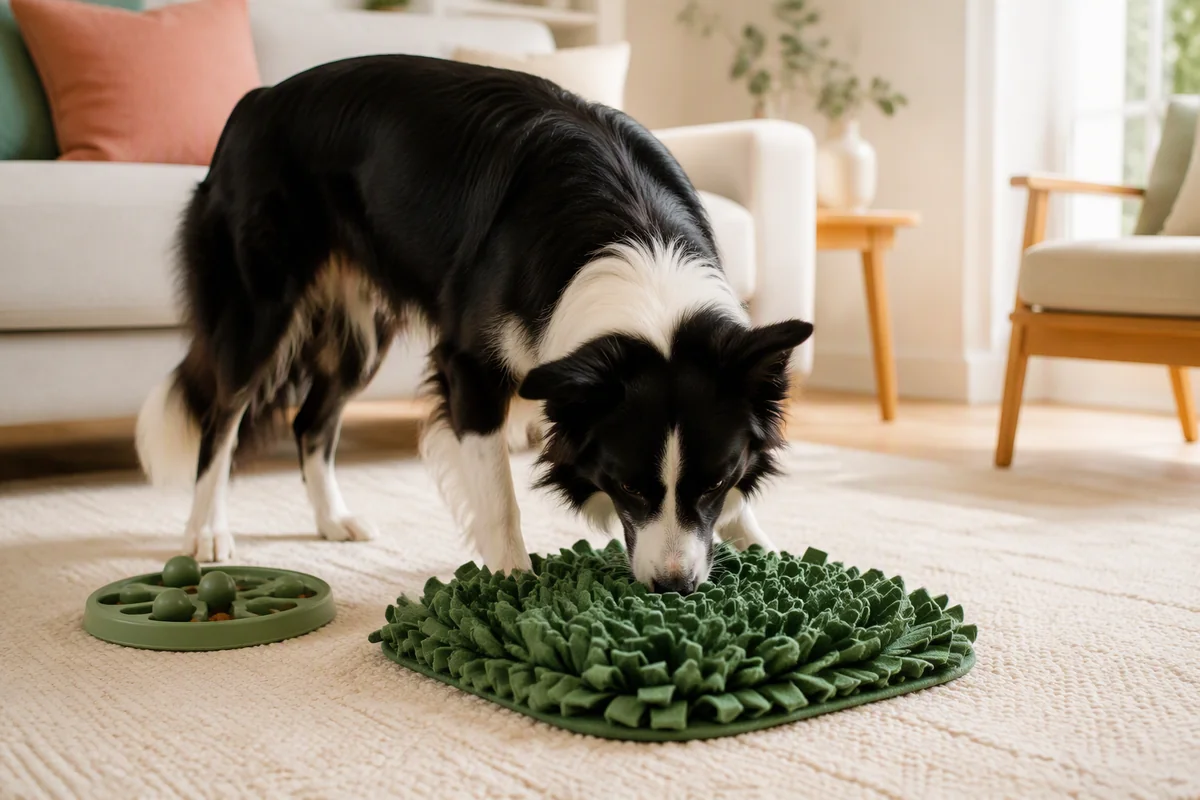
- Use a snuffle mat. Hide dry food loosely in the fabric strips, making it easy to find at first. Wash the mat regularly and supervise dogs that chew fabric.
- Make a muffin-tin puzzle. Put kibble in a few cups of a muffin tin and cover them with large, dog-safe balls. Remove the balls if your dog mouths or swallows them.
- Roll up a towel. Sprinkle dry food over a towel, roll it loosely and let your dog nuzzle it open. Use a dedicated pet towel and stop if they shred or eat the fabric.
- Build a simple cardboard search box. Place kibble among plain, food-safe cardboard pieces in a shallow box. Remove tape, staples and small scraps, and supervise closely.
- Fill a stuffable rubber toy. Use a small amount of your dog's usual wet food or another vet-suitable filling. Begin unfrozen so it is easy, then adjust the texture if your dog enjoys the challenge.
- Try a lick mat. Spread a thin layer of dog-safe food over the mat. Choose a sturdy mat, wash it after use and include the food in the day's allowance.
- Set a short treat trail. Lay a few pieces of food along a safe indoor route, then let your dog follow the scent to a small jackpot. This is a useful first step before hidden searches.
Scent and exploration enrichment
- Take a “sniffari”. On a safe route, slow down and allow suitable sniffing time instead of chasing a step target. Keep your dog on lead where required and avoid wildlife and hazards.
- Walk a new but easy route. A quiet street or familiar park in the opposite direction adds novelty without overwhelming your dog.
- Play “find it”. Toss a piece of food a short distance into clear view, say “find it”, then gradually make the hiding places slightly harder.
- Hide a favourite toy. Let your dog watch you place the toy behind a chair, encourage the search, and celebrate the find. Add distance only when they understand the game.
- Create a safe digging zone. For a dog that loves to dig, use a contained patch or box with dog-safe material and hide a sturdy toy. Redirect calmly rather than punishing the instinct.
- Explore a dog-friendly beach or trail. Check local access rules, heat, tides, wildlife and your dog's recall before heading out. Our Sydney dog-friendly beach guide is a useful starting point.
- Offer a supervised water experience. For dogs that enjoy water, try a shallow paddle in a safe place with an easy exit. Never force a hesitant dog, and avoid fast currents, blue-green algae and hot days.
Training and problem-solving enrichment
- Practise one easy cue. Run a short, upbeat session using rewards your dog values. Finish while they are still engaged rather than drilling until they tire.
- Teach a fun trick. Spin, touch a target or put a paw on a low platform. Break the behaviour into tiny steps and avoid movements that are unsuitable for your dog's body.
- Play the name game. Hold a toy, say its name and reward interest. Over time, ask your dog to find two familiar toys by name—without expecting perfect performance.
- Use a shaping game. Place a cardboard box on the floor and reward your dog for looking at it, then approaching it, then interacting with it. Let them offer behaviour instead of luring every step.
- Build a low indoor course. Use a towel to walk over, a chair to circle and a mat to settle on. Avoid high jumps, slippery surfaces and repetitive twisting.
- Practise calm handling. If your dog is comfortable, pair brief, gentle touches with rewards. Stop at any sign of avoidance or tension; this should never be a restraint exercise.
- Make recall a game. In a secure area, take turns calling your dog between family members and reward every prompt response. Keep it easy enough for your dog to succeed.
Play and social enrichment
- Play tug with simple rules. Use a long, suitable toy, keep movements low and gentle, and pause for a quick “drop” before restarting. Skip tug if it causes pain or over-arousal.
- Vary a game of fetch. Use a few calm throws, then ask for an easy cue before the next one. Avoid repetitive high-impact sessions, especially for puppies and dogs with joint problems.
- Play human hide-and-seek. Have someone hold your dog gently while you hide nearby, then call them once and reward the reunion. Do not make a worried dog feel trapped.
- Arrange a compatible playdate. Choose a dog your dog genuinely enjoys, use a secure neutral space and keep the first meeting short. Not every dog wants canine friends.
- Offer choice-based affection. Invite your dog for a pat, scratch or grooming session and let them leave. Social enrichment should feel safe, not compulsory.
- Share a quiet outing. A calm café visit or a new pet-friendly location can be enriching for a confident dog. Watch for stress, bring water and leave before they have had enough.
Calm and home-based enrichment
- Rotate a small toy library. Keep a few suitable toys available and store the rest. Swap them regularly, while leaving familiar comfort items in place.
- Teach a settle mat. Reward your dog for choosing a comfortable mat, gradually adding short periods of relaxation. The mat should become a safe place, never a punishment.
- Offer an appropriate chew. Choose a size and texture suited to your dog's chewing style and dental health, supervise new chews and ask your vet if you are unsure.
- Create a quiet retreat. Set up a bed away from foot traffic, with water and the option to leave. Children and visitors should leave the dog undisturbed there.
- Try gentle sound enrichment. If your dog is comfortable, test calm music at a low volume and observe their response. Avoid forcing headphones, loud sound or strong scents on sensitive animals.
- Have a decompression routine. After a walk, visitors or training, offer water, a familiar rest space and a low-demand activity. More stimulation is not always better.
- Spend five undistracted minutes together. Sit with your dog, speak softly, offer affection if they seek it, or simply share the space. Attention without a phone can be valuable enrichment.
Prefer a ready-made puzzle?
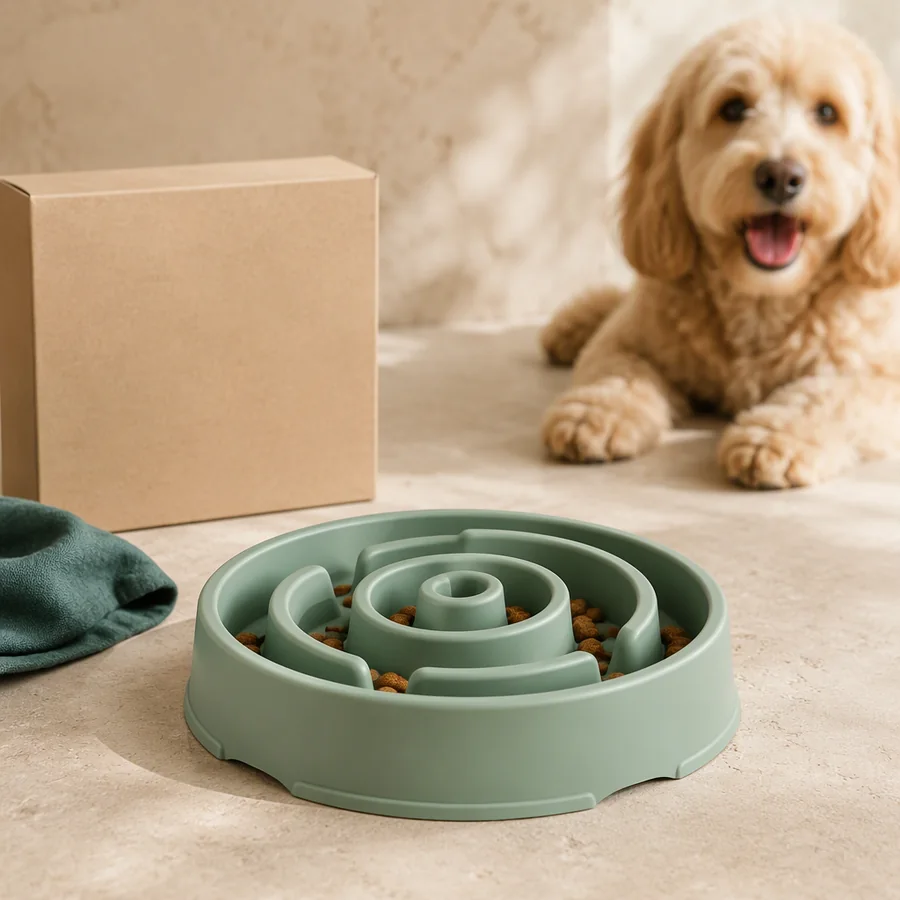
Choose for your dog's size, chewing style and experience—not the hardest difficulty label. Compare practical options in our Australian dog and cat enrichment toy guide.
Match enrichment to your dog
| Your dog | Good starting points | Watch out for |
|---|---|---|
| Puppy | Easy searches, gentle exploration, very short training and suitable chewing | Overexertion, high impact, swallowing pieces and overwhelming social situations |
| Working or high-drive dog | Varied scent work, problem-solving, training and structured play | Endlessly increasing intensity; teach rest as well as activity |
| Senior dog | Sniff walks, easy puzzles, gentle cues, comfortable exploration and calm company | Pain, mobility limits, sensory changes and sudden behaviour changes |
| Flat-faced or heat-sensitive dog | Cool indoor games, easy scent work and gentle training | Heat, humidity and strenuous activity; follow your vet's individual advice |
| Worried or reactive dog | Predictable home games, quiet routes, choice and easy success | Busy dog parks, forced interaction and activities that trigger frustration |
| Resource guarder or multi-dog home | Separate, supervised activities tailored to each dog | Competition over food, toys or attention; seek qualified behaviour advice |
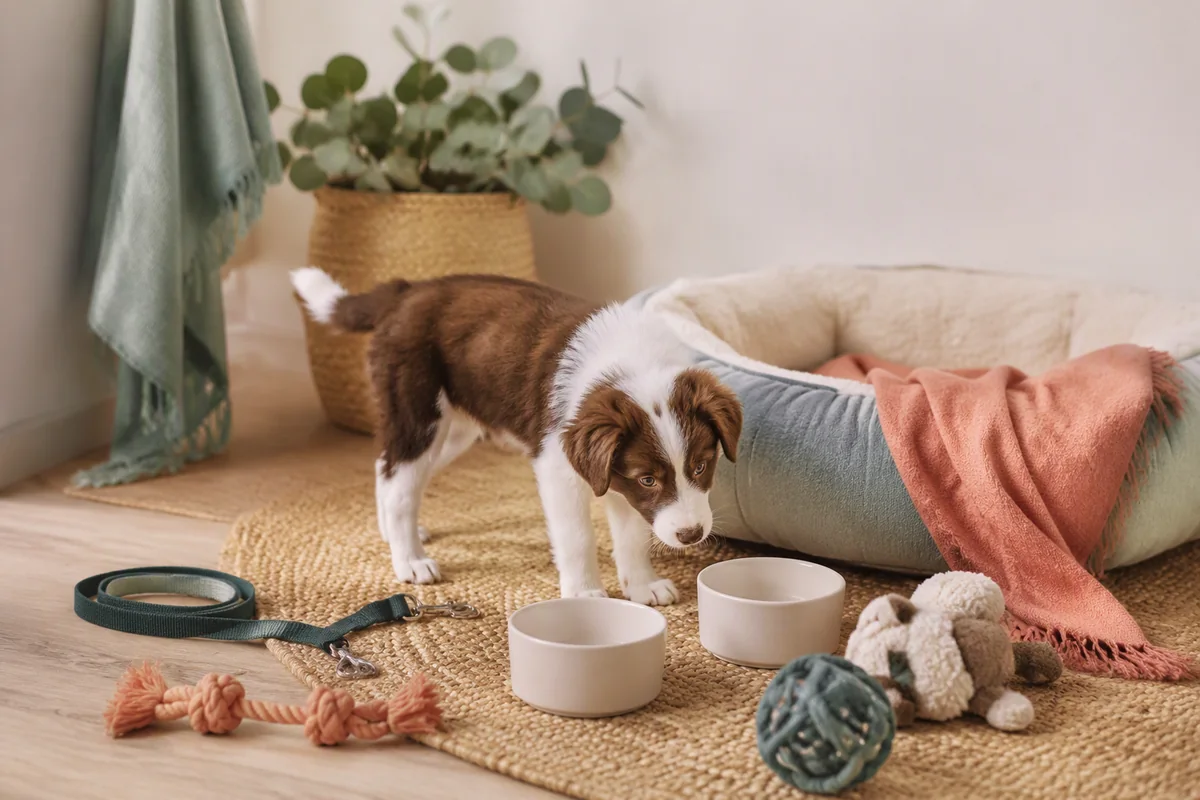
Our new puppy checklist covers the broader setup for young dogs. Sudden changes in activity, sleep, appetite or behaviour warrant a veterinary check before you assume boredom is the cause.
A realistic enrichment routine
There is no magic daily minute count. Use the following as an example and adjust it to your dog's exercise, sleep, health and preferences.
| When | Simple option | Why it works |
|---|---|---|
| Morning | Walk with time for suitable sniffing | Movement, scent and environmental variety |
| Breakfast | Part of the meal in an easy puzzle | Foraging without adding extra food |
| During the day | Rest, a safe familiar activity and an appropriate toilet break | Predictability and comfort |
| Evening | A few minutes of play or training | Cognitive and social enrichment |
| Before bed | Quiet time and a comfortable retreat | A clear chance to decompress |
On a hot Australian day, move outdoor activity to a cooler time and check walking surfaces. RSPCA South Australia recommends a 10-second bare-hand or bare-foot surface test and extra caution for flat-faced, older, overweight and very young dogs. Heat stress is an emergency, not something to push through.
Dog enrichment while you are at work
Think in terms of a whole-day welfare plan, not an eight-hour distraction device. A familiar food puzzle may occupy part of the morning, but it cannot provide toilet breaks, companionship, movement or help when something goes wrong.
- Start with a suitable morning routine and leave your dog in a safe, comfortable environment.
- Use only toys and chews your dog has already used safely while supervised.
- Arrange an appropriate walker, day care or trusted visitor when your dog needs the break.
- Keep arrivals and departures predictable, and observe your dog with a camera if it is useful and lawful in your household.
- Do not leave multiple dogs with high-value food or toys if there is any chance of guarding.
If your dog drools, destroys exits, injures themselves, toilets in distress or vocalises persistently when left alone, speak to a vet or qualified behaviour professional. Enrichment can support a treatment plan, but it is not a stand-alone cure for separation-related behaviour.
Enrichment safety rules that matter
- Supervise new items. Remove toys that crack, tear or shed pieces, and size balls and chews to reduce choking risk.
- Make food count. Use part of the normal daily ration where practical. Extra treats add up, especially for small dogs.
- Check ingredients. Avoid known hazards and review our guide to foods toxic to dogs and cats in Australia.
- Keep it easy at first. Pawing, walking away, repeated displacement behaviours or frantic behaviour can mean the task is too difficult or uncomfortable.
- Protect rest. Do not interrupt a sleeping dog for another activity, and give every pet a way to opt out.
- Adjust for conditions. Heat, humidity, injury, illness and recovery can all change what is appropriate.