
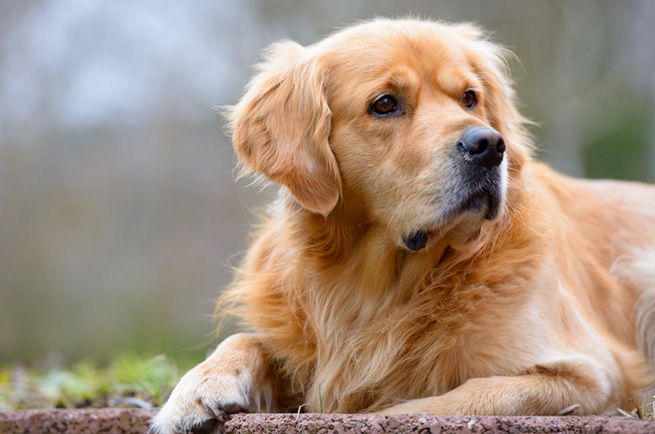
Tibetan Spaniel
Also known as: Tibbie
Tibetan Spaniels are a small, lion-like Tibetan breed once used as monastery watchdogs, with an alert nature and a surprisingly independent personality. Hailing from Tibet, this small-sized utility breed has a lifespan of 12—15 years and typically weighs 4—7 kg. Standing 25—28 cm at the shoulder, the Tibetan Spaniel is a breed that rewards thoughtful ownership with years of loyal companionship. Across Australia’s varied landscapes—from coastal suburbs to outback properties—owners appreciate this breed for its alert and independent nature.
About the Tibetan Spaniel
Tibetan Spaniels are a small, lion-like Tibetan breed once used as monastery watchdogs, with an alert nature and a surprisingly independent personality. Hailing from Tibet, this small-sized utility breed has a lifespan of 12—15 years and typically weighs 4—7 kg. Standing 25—28 cm at the shoulder, the Tibetan Spaniel is a breed that rewards thoughtful ownership with years of loyal companionship. Across Australia’s varied landscapes—from coastal suburbs to outback properties—owners appreciate this breed for its alert and independent nature.
History
Bred by Tibetan monks to serve as watchdogs in monasteries, sitting on high walls and barking to alert the monks. Despite the name, they are not true spaniels—they are more closely related to Pekingese and Japanese Chin. Considered good luck in Tibetan culture.
Temperament & Personality
Temperament is one of the Tibetan Spaniel’s strongest selling points. This breed is characteristically alert, independent, intelligent, playful, confident and devoted, which makes them a popular choice for families with children in Australia. This breed is typically excellent with children of all ages. Patient and gentle, they make wonderful family companions. As with all breeds, supervision during interactions with very young children is recommended. With the right upbringing, a Tibetan Spaniel will be alert and independent in virtually any social setting. Owners consistently praise their intelligent nature as one of the breed’s most endearing qualities.
Training & Socialisation
The Tibetan Spaniel is eager to please and generally straightforward to train. Early socialisation is critical—exposing your puppy to a wide variety of people, animals, sounds and environments between 8 and 16 weeks of age will help prevent behavioural issues later. In Australia, many local councils require dogs to be responsive to basic commands and well-socialised in public spaces. Puppy preschool classes are widely available across Australian cities and regional centres, and they provide an excellent foundation. Use positive reinforcement techniques—treats, praise and play—rather than punishment-based methods. Consistency is key: set clear household rules from day one and ensure all family members follow the same approach.
Care & Health
A generally healthy, long-lived breed. Regular eye checks recommended. An excellent apartment dog that enjoys elevated vantage points.
Living Conditions
The Tibetan Spaniel adapts well to apartment living and smaller homes. They don’t require a large backyard, though access to outdoor areas for toilet breaks and short play sessions is still important. In Australia’s varied climate, be mindful of heat—provide shade, fresh water and avoid exercising during the hottest parts of the day, particularly in summer. This breed’s thick coat means they may struggle in extreme heat, so air conditioning or cool indoor spaces are advisable during Australian summers.
Quick Facts
- Origin
- Tibet
- Life Span
- 12—15 years
- Size
- small
- Hair Shed
- moderate
- Grooming
- Twice a week
- Good with Kids
- high
- Exercise Needs
- low
- Feeding Cost
- $8–$12 p/w
- Colours
- All colours and combinations.
Exercise
Exercise needs: low
Low exercise needs of 20—30 minutes daily. Enjoys short walks and indoor play. Loves watching the world from a high perch.
Health Considerations
Recommended Insurance for Tibetan Spaniel
Like many larger breeds, the Tibetan Spaniel is susceptible to certain hereditary conditions.
- ■Progressive Retinal Atrophy — typical treatment cost: $1,000–$3,000
- ■Patellar Luxation — typical treatment cost: $1,500–$4,000 per knee
- ■Portosystemic Shunt — typical treatment cost: $3,000–$7,000
- ■Cherry Eye And Allergies — typical treatment cost: $1,000–$5,000+
A comprehensive pet insurance policy can help cover the cost of diagnostics, surgery and ongoing treatment for these conditions. Many Australian providers offer plans starting from around $30–$60 per month for larger breeds, with annual benefit limits of $10,000–$25,000.
🛡️ Don’t wait until it’s too late
Pre-existing conditions are never covered. Insuring your Tibetan Spaniel while they’re young and healthy gives you the broadest coverage at the lowest premium.
Protect your Tibetan Spaniel with the right insurance plan →Grooming
Silky double coat needs brushing twice weekly. Moderate seasonal shedding. Low-maintenance compared to similar-looking breeds.
Pros & Cons
Advantages
- Excellent with children and families
- Highly affectionate and loyal companion
- Gets along well with other pets
- Low exercise requirements suit busy lifestyles
- Compact size suits apartment living
Considerations
- Independent streak can make training challenging
- May be prone to breed-specific health issues
- Not always readily available from Australian breeders
Frequently Asked Questions
How much does a Tibetan Spaniel cost in Australia?
Is the Tibetan Spaniel good with children?
How much exercise does a Tibetan Spaniel need?
What health problems are common in Tibetan Spaniels?
Does the Tibetan Spaniel shed a lot?
Related Resources
Similar Breeds
Lhasa Apso
Explore our complete guide to the Lhasa Apso — temperament, care, health and what Australian owners need to know.
Shih Tzu
Explore our complete guide to the Shih Tzu — temperament, care, health and what Australian owners need to know.
Japanese Chin
Explore our complete guide to the Japanese Chin — temperament, care, health and what Australian owners need to know.