
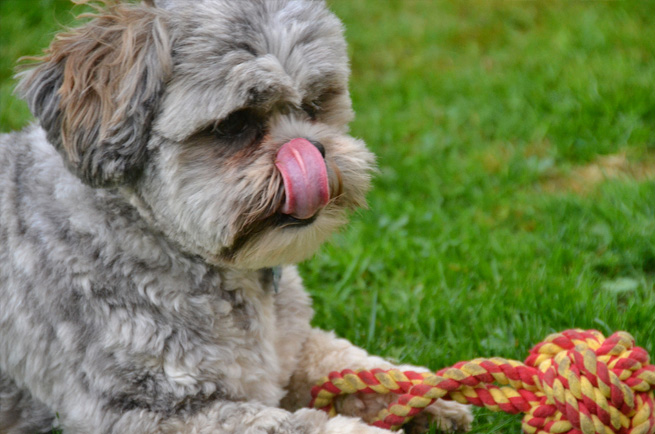
Lhasa Apso
The Lhasa Apso was bred as interior temple sentinels in Tibet — they would alert monks to intruders. Reserved with strangers but devoted to family. Independent and sometimes stubborn. Not for families with young children.
About
The Lhasa Apso was bred as interior temple sentinels in Tibet — they would alert monks to intruders. Reserved with strangers but devoted to family. Independent and sometimes stubborn. Not for families with young children.
History
One of the oldest breeds. Bred in Tibetan monasteries for over 2000 years. Considered sacred — never sold, only given as gifts. Dalai Lama gifted Lhasas to Chinese emperors.
Care & Health
Eye conditions common. Regular eye checks. Keep coat out of eyes to prevent irritation. IVDD risk — avoid jumping.
Quick Facts
- Origin
- Tibet
- Life Span
- 12–15 years
- Size
- small
- Hair Shed
- little
- Grooming
- Daily
- Good with Kids
- low
- Exercise Needs
- low
- Feeding Cost
- $5–$10 p/w
- Colours
- Golden, sandy, honey, dark grizzle, slate, smoke, parti-colour, black, white, brown.
Exercise
Exercise needs: low
Moderate daily walks. Indoor play. Low exercise requirements.
Health Considerations
Recommended Insurance for Lhasa Apso
Lhasa Apsos are predisposed to several health conditions that can result in significant veterinary bills.
- ■Progressive Retinal Atrophy — typical treatment cost: $1,000–$3,000
- ■Patellar Luxation — typical treatment cost: $1,500–$4,000 per knee
- ■Cherry Eye — typical treatment cost: $500–$1,500 per eye
- ■Renal Dysplasia — typical treatment cost: $1,000–$5,000+
A comprehensive pet insurance policy can help cover the cost of diagnostics, surgery and ongoing treatment for these conditions. Many Australian providers offer plans starting from around $30–$60 per month for smaller breeds, with annual benefit limits of $10,000–$25,000.
🛡️ Don’t wait until it’s too late
Pre-existing conditions are never covered. Insuring your Lhasa Apso while they’re young and healthy gives you the broadest coverage at the lowest premium.
Get a quote — cover your Lhasa Apso from day one →Grooming
Long, heavy coat requires daily brushing. Many pet owners keep a puppy clip for practicality. Professional grooming every 4–6 weeks.