
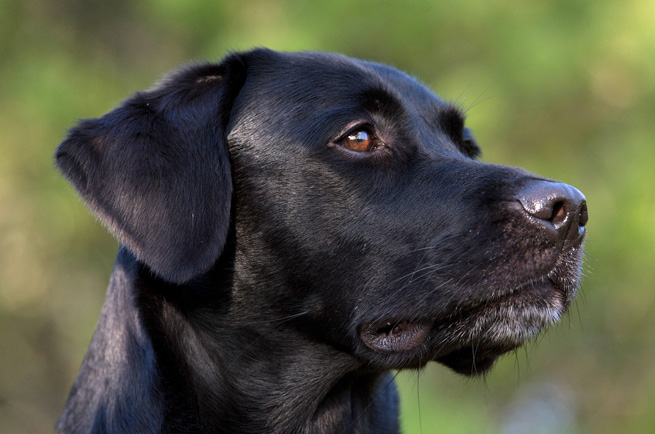
Labrador Retriever
Also known as: Labrador, Lab
The Labrador Retriever is Australia's most popular dog breed — and for good reason. These bouncy, affectionate dogs are loyal and patient with even the smallest family members. Well-built with a glistening coat and an ever-present enthusiasm for life, Labs are known for their suitability as guide dogs, family dogs, search and rescue dogs and service dogs.
About
The Labrador Retriever is Australia's most popular dog breed — and for good reason. These bouncy, affectionate dogs are loyal and patient with even the smallest family members. Well-built with a glistening coat and an ever-present enthusiasm for life, Labs are known for their suitability as guide dogs, family dogs, search and rescue dogs and service dogs.
History
The Labrador first became known in Newfoundland in the 17th century, originally trained to retrieve fishing nets from icy water. They were brought to Britain by the Earl of Malmesbury, who named them Labradors and began a selective breeding programme. They became one of the world's most popular breeds and were recognised by the American Kennel Club in 1917.
Care & Health
Parents must be screened for hip dysplasia, elbow dysplasia, progressive retinal atrophy and epilepsy before purchasing a puppy. Labs are voracious eaters — obesity is the primary preventable health issue. Ear infections are common; dry ears thoroughly after swimming. Provide a balanced raw or quality commercial diet.
Quick Facts
- Origin
- England (originally Newfoundland)
- Life Span
- 12–14 years
- Size
- large
- Hair Shed
- moderate
- Grooming
- Once a week
- Good with Kids
- high
- Exercise Needs
- medium
- Feeding Cost
- $15–$20 p/w
- Colours
- Black, golden (yellow) and chocolate brown.
Exercise
Exercise needs: medium
Labs enjoy long walks, running and playing fetch. They are also great swimmers and will love to play fetch at the river. At least one hour of exercise per day is recommended.
Health Considerations
Recommended Insurance for Labrador Retriever
While Labrador Retrievers are beloved companions, they do carry a genetic predisposition to certain conditions.
- ■Hip Dysplasia — typical treatment cost: $3,000–$8,000
- ■Elbow Dysplasia — typical treatment cost: $2,500–$6,000
- ■Progressive Retinal Atrophy — typical treatment cost: $1,000–$3,000
- ■Obesity — typical treatment cost: $1,000–$5,000+
A comprehensive pet insurance policy can help cover the cost of diagnostics, surgery and ongoing treatment for these conditions. Many Australian providers offer plans starting from around $30–$60 per month for larger breeds, with annual benefit limits of $10,000–$25,000.
🛡️ Don’t wait until it’s too late
Pre-existing conditions are never covered. Insuring your Labrador Retriever while they’re young and healthy gives you the broadest coverage at the lowest premium.
Find the right cover for your Labrador Retriever →Grooming
Short dense double coat. Weekly brush is all that's needed. More frequent brushing during seasonal moulting.
Frequently Asked Questions
How much does a Labrador Retriever cost in Australia?
Is the Labrador Retriever good with children?
How much exercise does a Labrador Retriever need?
What health problems are common in Labrador Retrievers?
Does the Labrador Retriever shed a lot?
Related Resources
Similar Breeds
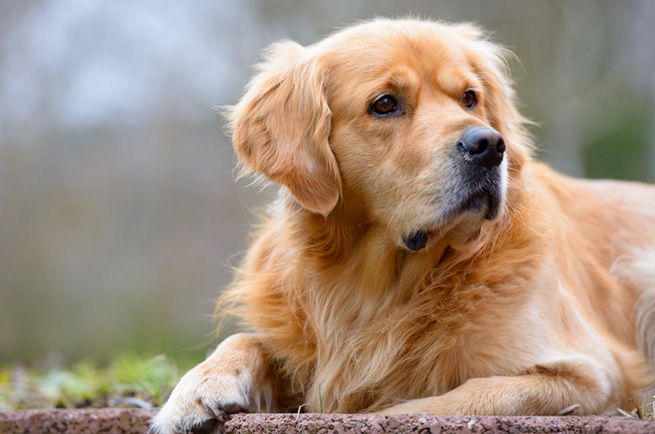
Golden Retriever
The Golden Retriever is one of Australia's most beloved family dogs — an endlessly patient, enthusiastic and affectionate companion who is equally at home as a guide dog, search and rescue dog, or couch potato cuddle companion. Their golden coat and eternally happy expression are universally adored.
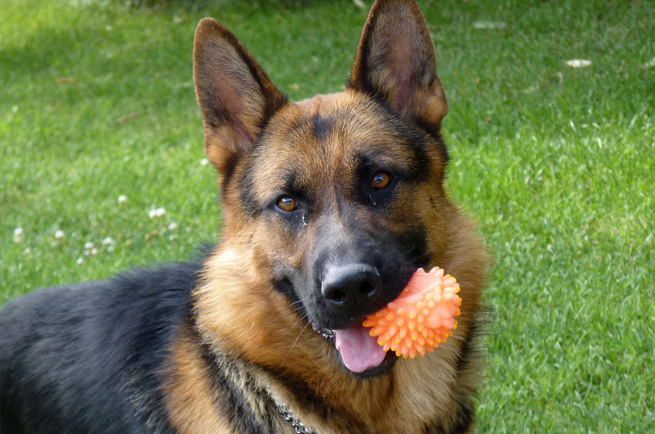
German Shepherd
The German Shepherd is one of the world's most versatile working dogs. Used by police, military and as guide dogs. They are intensely loyal, highly intelligent and protective — forming deep bonds with owners. They need a confident, experienced handler.