
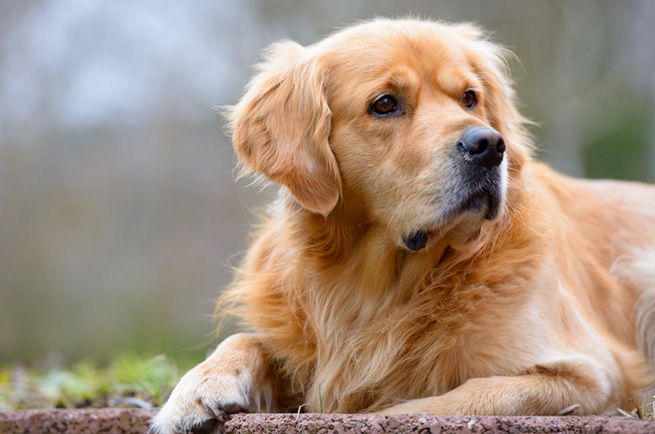
Japanese Akita
Also known as: Akita Inu
The Japanese Akita is Japan’s national treasure—a powerful, dignified breed famous for its unwavering loyalty, immortalised by Hachiko. Originating from Japan, this large-sized utility breed has earned a loyal following among Australian pet owners thanks to its distinctive appearance and reliable temperament. With a typical lifespan of 10—13 years, the Japanese Akita stands 61—71 cm at the shoulder and weighs between 32—45 kg. Whether you live in a bustling city apartment or a sprawling rural property, understanding this breed’s unique needs will help you decide if it’s the right fit for your household.
About the Japanese Akita
The Japanese Akita is Japan’s national treasure—a powerful, dignified breed famous for its unwavering loyalty, immortalised by Hachiko. Originating from Japan, this large-sized utility breed has earned a loyal following among Australian pet owners thanks to its distinctive appearance and reliable temperament. With a typical lifespan of 10—13 years, the Japanese Akita stands 61—71 cm at the shoulder and weighs between 32—45 kg. Whether you live in a bustling city apartment or a sprawling rural property, understanding this breed’s unique needs will help you decide if it’s the right fit for your household.
History
An ancient Japanese breed designated as a Japanese Natural Monument in 1931. The most famous Akita, Hachiko, waited at a train station for nine years after his owner’s death. Originally bred for hunting bear, boar and deer in the mountains of northern Japan. Helen Keller is credited with bringing the first Akitas to America.
Temperament & Personality
The Japanese Akita is widely regarded as loyal, dignified, courageous, independent, reserved and protective. These personality traits make them well-suited to Australian families who value a loyal companion. Around the home, Japanese Akitas tend to form strong bonds with their primary carers while remaining dignified with visitors and strangers. With proper socialisation, this breed can get along well with older children who understand how to interact respectfully with dogs. Early introductions are important. Their courageous disposition also means they respond best to owners who understand and respect their temperament rather than trying to force them into a mould that doesn’t suit them.
Training & Socialisation
The Japanese Akita is eager to please and generally straightforward to train. Early socialisation is critical—exposing your puppy to a wide variety of people, animals, sounds and environments between 8 and 16 weeks of age will help prevent behavioural issues later. In Australia, many local councils require dogs to be responsive to basic commands and well-socialised in public spaces. Puppy preschool classes are widely available across Australian cities and regional centres, and they provide an excellent foundation. Use positive reinforcement techniques—treats, praise and play—rather than punishment-based methods. Consistency is key: set clear household rules from day one and ensure all family members follow the same approach.
Care & Health
Not for first-time owners. Can be aggressive toward other dogs, especially same-sex. Early socialisation is critical. Many Australian councils have breed-specific legislation—check local regulations.
Living Conditions
A home with a securely fenced yard is ideal for the Japanese Akita. While they can adapt to larger apartments, regular outdoor access is important. In Australia’s varied climate, be mindful of heat—provide shade, fresh water and avoid exercising during the hottest parts of the day, particularly in summer. This breed’s thick coat means they may struggle in extreme heat, so air conditioning or cool indoor spaces are advisable during Australian summers.
Quick Facts
- Origin
- Japan
- Life Span
- 10—13 years
- Size
- large
- Hair Shed
- heavy
- Grooming
- Twice a week
- Good with Kids
- medium
- Exercise Needs
- medium
- Feeding Cost
- $25–$35 p/w
- Colours
- Red fawn, sesame, brindle, white.
Exercise
Exercise needs: medium
Moderate exercise of 45—60 minutes daily. Enjoys walks and mental challenges. Not typically a high-endurance exerciser but needs daily activity.
Health Considerations
Recommended Insurance for Japanese Akita
The Japanese Akita is generally a healthy breed, but owners should be aware of conditions common to the breed.
- ■Hip Dysplasia — typical treatment cost: $3,000–$8,000
- ■Autoimmune Thyroiditis — typical treatment cost: $1,000–$5,000+
- ■Progressive Retinal Atrophy — typical treatment cost: $1,000–$3,000
- ■Bloat And Sebaceous Adenitis — typical treatment cost: $1,000–$5,000+
A comprehensive pet insurance policy can help cover the cost of diagnostics, surgery and ongoing treatment for these conditions. Many Australian providers offer plans starting from around $30–$60 per month for larger breeds, with annual benefit limits of $10,000–$25,000.
🛡️ Don’t wait until it’s too late
Pre-existing conditions are never covered. Insuring your Japanese Akita while they’re young and healthy gives you the broadest coverage at the lowest premium.
See which pet insurance plans suit Japanese Akitas →Grooming
Dense double coat sheds heavily twice yearly. Brush twice weekly, daily during shedding season. Never shave.
Pros & Cons
Advantages
- Highly affectionate and loyal companion
- Impressive presence and natural deterrent
- Distinctive appearance that turns heads
- Loyal and devoted to their family
Considerations
- Heavy shedding requires frequent cleaning
- Can be challenging with other pets
- Higher food and veterinary costs than smaller breeds
- Independent streak can make training challenging
Frequently Asked Questions
How much does a Japanese Akita cost in Australia?
Is the Japanese Akita good with children?
How much exercise does a Japanese Akita need?
What health problems are common in Japanese Akitas?
Does the Japanese Akita shed a lot?
Related Resources
Similar Breeds
Shiba Inu
Explore our complete guide to the Shiba Inu — temperament, care, health and what Australian owners need to know.
Alaskan Malamute
Explore our complete guide to the Alaskan Malamute — temperament, care, health and what Australian owners need to know.
Siberian Husky
Explore our complete guide to the Siberian Husky — temperament, care, health and what Australian owners need to know.