
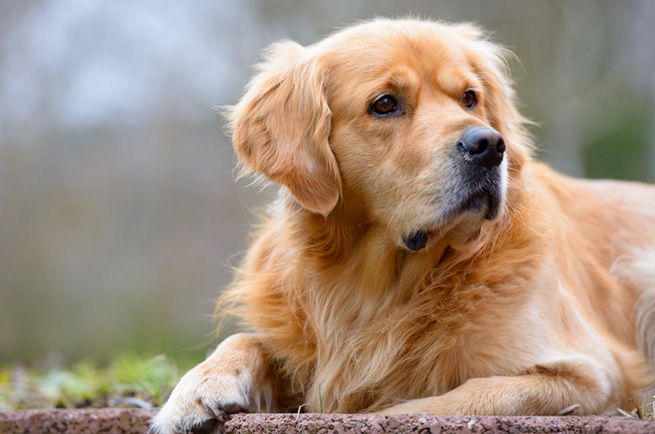
Finnish Spitz
Also known as: Suomenpystykorva
Finnish Spitzs are a fox-like Finnish breed known for its striking red-gold coat, pointed ears and distinctive yodelling bark. Hailing from Finland, this medium-sized hound breed has a lifespan of 13—15 years and typically weighs 7—13 kg. Standing 39—50 cm at the shoulder, the Finnish Spitz is a breed that rewards thoughtful ownership with years of loyal companionship. Across Australia’s varied landscapes—from coastal suburbs to outback properties—owners appreciate this breed for its lively and alert nature.
About the Finnish Spitz
Finnish Spitzs are a fox-like Finnish breed known for its striking red-gold coat, pointed ears and distinctive yodelling bark. Hailing from Finland, this medium-sized hound breed has a lifespan of 13—15 years and typically weighs 7—13 kg. Standing 39—50 cm at the shoulder, the Finnish Spitz is a breed that rewards thoughtful ownership with years of loyal companionship. Across Australia’s varied landscapes—from coastal suburbs to outback properties—owners appreciate this breed for its lively and alert nature.
History
The national dog of Finland, developed for hunting birds and small game in Finnish forests. Known for its unique hunting style of barking to indicate game in trees. One of the most ancient breeds, with a history spanning thousands of years. Nearly extinct in the 1800s but saved by Finnish breeders.
Temperament & Personality
Temperament is one of the Finnish Spitz’s strongest selling points. This breed is characteristically lively, alert, independent, friendly, vocal and playful, which makes them a popular choice for families with children in Australia. This breed is typically excellent with children of all ages. Patient and gentle, they make wonderful family companions. As with all breeds, supervision during interactions with very young children is recommended. With the right upbringing, a Finnish Spitz will be lively and alert in virtually any social setting. Owners consistently praise their independent nature as one of the breed’s most endearing qualities.
Training & Socialisation
Training a Finnish Spitz requires understanding that this breed is eager to please and generally straightforward to train. Positive reinforcement methods work best—reward good behaviour with treats, praise and play sessions. Start socialisation early by introducing your Finnish Spitz puppy to different environments, people and other animals. Australian puppy schools are an excellent starting point and are available in most suburbs and regional towns. Local councils across Australia often have specific requirements for dog behaviour in public, making basic obedience training not just beneficial but often necessary. Patience and consistency will yield the best results with this breed.
Care & Health
A vocal breed—potential barking should be considered before purchase, particularly in suburban settings. Heat management in Australian summers is important.
Living Conditions
The Finnish Spitz is adaptable to various living situations, from apartments to houses with yards, provided their exercise needs are met. In Australia’s varied climate, be mindful of heat—provide shade, fresh water and avoid exercising during the hottest parts of the day, particularly in summer. This breed’s thick coat means they may struggle in extreme heat, so air conditioning or cool indoor spaces are advisable during Australian summers.
Quick Facts
- Origin
- Finland
- Life Span
- 13—15 years
- Size
- medium
- Hair Shed
- heavy
- Grooming
- Twice a week
- Good with Kids
- high
- Exercise Needs
- medium
- Feeding Cost
- $12–$20 p/w
- Colours
- Red-gold, with lighter shading on chest, belly, inside of legs.
Exercise
Exercise needs: medium
Moderate exercise of 45—60 minutes daily. Enjoys walks, hiking and outdoor exploration. Their independent nature means reliable recall training is important.
Health Considerations
Recommended Insurance for Finnish Spitz
Like many larger breeds, the Finnish Spitz is susceptible to certain hereditary conditions.
- ■Hip Dysplasia — typical treatment cost: $3,000–$8,000
- ■Patellar Luxation — typical treatment cost: $1,500–$4,000 per knee
- ■Epilepsy — typical treatment cost: $500–$3,000/year ongoing
- ■Pemphigus Foliaceus And Diabetes — typical treatment cost: $1,000–$5,000+
A comprehensive pet insurance policy can help cover the cost of diagnostics, surgery and ongoing treatment for these conditions. Many Australian providers offer plans starting from around $30–$60 per month for larger breeds, with annual benefit limits of $10,000–$25,000.
🛡️ Don’t wait until it’s too late
Pre-existing conditions are never covered. Insuring your Finnish Spitz while they’re young and healthy gives you the broadest coverage at the lowest premium.
Get a quote — cover your Finnish Spitz from day one →Grooming
Double coat sheds heavily twice a year. Regular brushing twice weekly, daily during shedding season. The coat is naturally clean.
Pros & Cons
Advantages
- Excellent with children and families
- Highly affectionate and loyal companion
- Energetic and fun for active owners
- Playful and entertaining personality
Considerations
- Heavy shedding requires frequent cleaning
- May develop destructive behaviours if under-stimulated
- Independent streak can make training challenging
- May be prone to breed-specific health issues
- Not always readily available from Australian breeders
Frequently Asked Questions
How much does a Finnish Spitz cost in Australia?
Is the Finnish Spitz good with children?
How much exercise does a Finnish Spitz need?
What health problems are common in Finnish Spitzs?
Does the Finnish Spitz shed a lot?
Related Resources
Similar Breeds
Finnish Lapphund
Explore our complete guide to the Finnish Lapphund — temperament, care, health and what Australian owners need to know.
Shiba Inu
Explore our complete guide to the Shiba Inu — temperament, care, health and what Australian owners need to know.
Keeshond
Explore our complete guide to the Keeshond — temperament, care, health and what Australian owners need to know.