
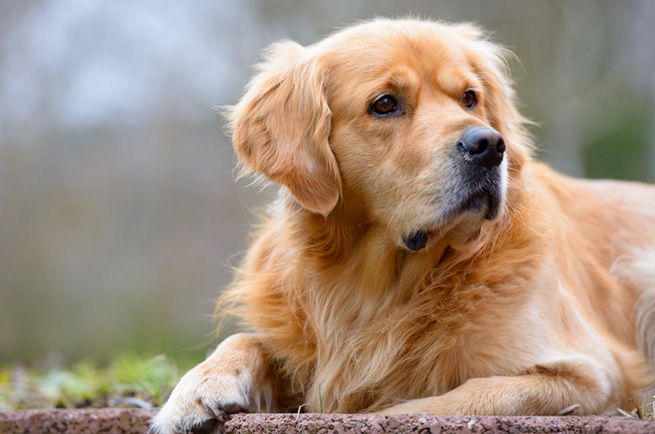
Bloodhound
Also known as: St. Hubert Hound
The Bloodhound is a noble, large-eared scent hound with the most powerful nose in the canine world and a gentle, affectionate soul. Originating from Belgium/France, this large-sized hound breed has earned a loyal following among Australian pet owners thanks to its distinctive appearance and reliable temperament. With a typical lifespan of 10–12 years, the Bloodhound stands 58–69 cm at the shoulder and weighs between 36–50 kg. Whether you live in a bustling city apartment or a sprawling rural property, understanding this breed’s unique needs will help you decide if it’s the right fit for your household.
About the Bloodhound
The Bloodhound is a noble, large-eared scent hound with the most powerful nose in the canine world and a gentle, affectionate soul. Originating from Belgium/France, this large-sized hound breed has earned a loyal following among Australian pet owners thanks to its distinctive appearance and reliable temperament. With a typical lifespan of 10–12 years, the Bloodhound stands 58–69 cm at the shoulder and weighs between 36–50 kg. Whether you live in a bustling city apartment or a sprawling rural property, understanding this breed’s unique needs will help you decide if it’s the right fit for your household.
History
One of the oldest hound breeds, tracing back to the Abbey of Saint-Hubert in Belgium around the 7th century. Brought to England by William the Conqueror. Their trailing ability is so accurate that evidence from a Bloodhound track is admissible in court.
Temperament & Personality
The Bloodhound is widely regarded as gentle, affectionate, determined, patient, stubborn and sociable. These personality traits make them well-suited to Australian families who value a gentle companion. Around the home, Bloodhounds tend to form strong bonds with their primary carers while remaining affectionate with visitors and strangers. This breed is typically excellent with children of all ages. Patient and gentle, they make wonderful family companions. As with all breeds, supervision during interactions with very young children is recommended. Their determined disposition also means they respond best to owners who understand and respect their temperament rather than trying to force them into a mould that doesn’t suit them.
Training & Socialisation
Training a Bloodhound requires understanding that this breed is independent-minded and may require patience during training. Positive reinforcement methods work best—reward good behaviour with treats, praise and play sessions. Start socialisation early by introducing your Bloodhound puppy to different environments, people and other animals. Australian puppy schools are an excellent starting point and are available in most suburbs and regional towns. Local councils across Australia often have specific requirements for dog behaviour in public, making basic obedience training not just beneficial but often necessary. Patience and consistency will yield the best results with this breed.
Care & Health
Requires diligent ear care and wrinkle cleaning. Bloat prevention is important—feed smaller meals and avoid exercise after eating. Drooling is significant.
Living Conditions
A home with a securely fenced yard is ideal for the Bloodhound. While they can adapt to larger apartments, regular outdoor access is important. In Australia’s varied climate, be mindful of heat—provide shade, fresh water and avoid exercising during the hottest parts of the day, particularly in summer.
Quick Facts
- Origin
- Belgium/France
- Life Span
- 10–12 years
- Size
- large
- Hair Shed
- moderate
- Grooming
- Once a week
- Good with Kids
- high
- Exercise Needs
- medium
- Feeding Cost
- $25–$35 p/w
- Colours
- Black and tan, liver and tan, red.
Exercise
Exercise needs: medium
Moderate exercise of 45–60 minutes daily. Loves long, slow scent walks where they can follow their nose. Needs secure fencing as they will follow a trail regardless of boundaries.
Health Considerations
Recommended Insurance for Bloodhound
While Bloodhounds are beloved companions, they do carry a genetic predisposition to certain conditions.
- ■Bloat — typical treatment cost: $2,000–$5,000 (emergency surgery)
- ■Hip Dysplasia — typical treatment cost: $3,000–$8,000
- ■Ear Infections — typical treatment cost: $1,000–$5,000+
- ■Entropion And Ectropion — typical treatment cost: $1,000–$5,000+
A comprehensive pet insurance policy can help cover the cost of diagnostics, surgery and ongoing treatment for these conditions. Many Australian providers offer plans starting from around $30–$60 per month for larger breeds, with annual benefit limits of $10,000–$25,000.
🛡️ Don’t wait until it’s too late
Pre-existing conditions are never covered. Insuring your Bloodhound while they’re young and healthy gives you the broadest coverage at the lowest premium.
See which pet insurance plans suit Bloodhounds →Grooming
Weekly brushing for their short coat. Daily ear cleaning is essential. Clean facial wrinkles regularly to prevent infections.
Pros & Cons
Advantages
- Excellent with children and families
- Highly affectionate and loyal companion
- Gets along well with other pets
- Impressive presence and natural deterrent
Considerations
- Higher food and veterinary costs than smaller breeds
- Can be stubborn during training sessions
- May be prone to breed-specific health issues
- Not always readily available from Australian breeders
Frequently Asked Questions
How much does a Bloodhound cost in Australia?
Is the Bloodhound good with children?
How much exercise does a Bloodhound need?
What health problems are common in Bloodhounds?
Does the Bloodhound shed a lot?
Related Resources
Similar Breeds
Basset Hound
Explore our complete guide to the Basset Hound — temperament, care, health and what Australian owners need to know.
Foxhound
Explore our complete guide to the Foxhound — temperament, care, health and what Australian owners need to know.
Beagle
Explore our complete guide to the Beagle — temperament, care, health and what Australian owners need to know.