
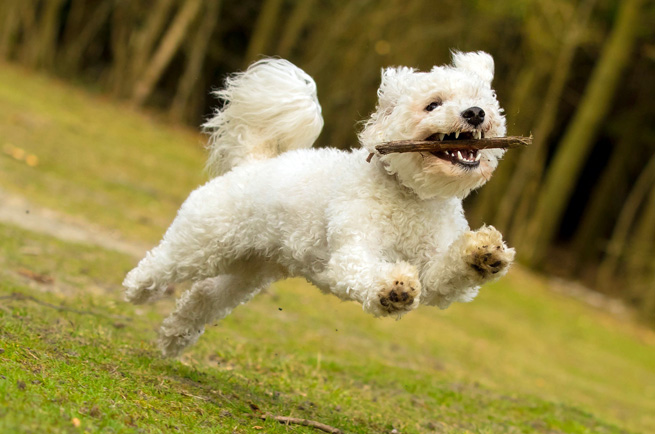
Bichon Frise
Also known as: Bichon
The Bichon Frise is a cheerful, fluffy white dog with a gentle, affectionate nature. Bred as companions for European royalty. Playful, adaptable and people-oriented. Excellent choice for allergy sufferers due to low shedding.
About
The Bichon Frise is a cheerful, fluffy white dog with a gentle, affectionate nature. Bred as companions for European royalty. Playful, adaptable and people-oriented. Excellent choice for allergy sufferers due to low shedding.
History
Descended from the Barbet (water spaniel). Popular with Italian nobility in the Renaissance. French royal favourites. Fell from favour but revived in France in the 1930s.
Care & Health
Bladder stones can occur — ensure good water intake. Dental care important. Allergies common — may need special diet.
Quick Facts
- Origin
- Spain / France
- Life Span
- 14–15 years
- Size
- small
- Hair Shed
- little
- Grooming
- Daily brushing, professional grooming regularly
- Good with Kids
- high
- Exercise Needs
- low
- Feeding Cost
- $5–$10 p/w
- Colours
- White. Cream, apricot or grey markings acceptable in young dogs but must fade to white by 12 months.
Exercise
Exercise needs: low
Moderate daily walks and indoor play. Suited to apartment living.
Health Considerations
Recommended Insurance for Bichon Frise
Like many smaller breeds, the Bichon Frise is susceptible to certain hereditary conditions.
- ■Patellar Luxation — typical treatment cost: $1,500–$4,000 per knee
- ■Cataracts — typical treatment cost: $2,000–$4,000 per eye
- ■Allergies — typical treatment cost: $500–$2,000/year ongoing
- ■Bladder Stones — typical treatment cost: $1,000–$5,000+
A comprehensive pet insurance policy can help cover the cost of diagnostics, surgery and ongoing treatment for these conditions. Many Australian providers offer plans starting from around $30–$60 per month for smaller breeds, with annual benefit limits of $10,000–$25,000.
🛡️ Don’t wait until it’s too late
Pre-existing conditions are never covered. Insuring your Bichon Frise while they’re young and healthy gives you the broadest coverage at the lowest premium.
Find the right cover for your Bichon Frise →Grooming
Curly coat requires regular professional grooming every 4–6 weeks. Daily brushing to prevent matting. Hypoallergenic — good for allergy sufferers.