
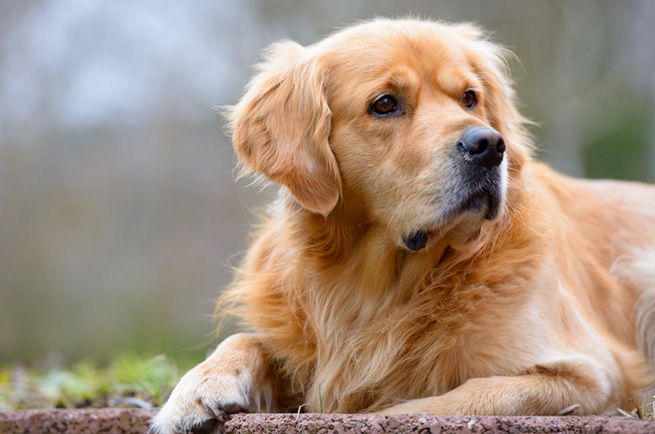
Australian Kelpie
Also known as: Kelpie
Originally developed in Australia, the Australian Kelpie is an energetic and remarkably intelligent Australian working dog that excels at herding and thrives on having a purpose. This medium-sized herding breed typically lives 12–15 years and weighs 14–21 kg, standing 43–51 cm tall at the shoulder. In Australia, the Australian Kelpie has found a devoted following among families, singles and retirees alike. Their combination of intelligent and energetic traits makes them a versatile companion for a variety of living situations across the country.
About the Australian Kelpie
Originally developed in Australia, the Australian Kelpie is an energetic and remarkably intelligent Australian working dog that excels at herding and thrives on having a purpose. This medium-sized herding breed typically lives 12–15 years and weighs 14–21 kg, standing 43–51 cm tall at the shoulder. In Australia, the Australian Kelpie has found a devoted following among families, singles and retirees alike. Their combination of intelligent and energetic traits makes them a versatile companion for a variety of living situations across the country.
History
Developed in the late 1800s from imported British working Collies, the Kelpie was bred to work sheep in Australia’s harsh outback conditions. They became legendary for their ability to work vast mobs of sheep with minimal human direction. The name likely comes from a mythological water spirit.
Temperament & Personality
Known for being intelligent, energetic, loyal, eager, independent and alert, the Australian Kelpie brings a distinctive personality to any Australian household. With proper socialisation, this breed can get along well with older children who understand how to interact respectfully with dogs. Early introductions are important. When properly socialised from puppyhood, this breed develops into a well-rounded companion that is intelligent at home and energetic in public. Their natural loyal nature means they thrive in environments where they receive consistent attention and clear boundaries.
Training & Socialisation
Training a Australian Kelpie requires understanding that this breed is independent-minded and may require patience during training. Positive reinforcement methods work best—reward good behaviour with treats, praise and play sessions. Start socialisation early by introducing your Australian Kelpie puppy to different environments, people and other animals. Australian puppy schools are an excellent starting point and are available in most suburbs and regional towns. Local councils across Australia often have specific requirements for dog behaviour in public, making basic obedience training not just beneficial but often necessary. Patience and consistency will yield the best results with this breed.
Care & Health
Absolutely must have daily physical and mental stimulation. A bored Kelpie will find its own entertainment, usually destructively. Regular eye health checks recommended.
Living Conditions
The Australian Kelpie is adaptable to various living situations, from apartments to houses with yards, provided their exercise needs are met. In Australia’s varied climate, be mindful of heat—provide shade, fresh water and avoid exercising during the hottest parts of the day, particularly in summer.
Quick Facts
- Origin
- Australia
- Life Span
- 12–15 years
- Size
- medium
- Hair Shed
- moderate
- Grooming
- Once a week
- Good with Kids
- medium
- Exercise Needs
- high
- Feeding Cost
- $15–$20 p/w
- Colours
- Black, chocolate, red, smoky blue, fawn, black and tan.
Exercise
Exercise needs: high
Needs at least 60–90 minutes of intense exercise daily. Ideal activities include herding, agility, flyball and long runs. Mental stimulation through training puzzles is equally important.
Health Considerations
Recommended Insurance for Australian Kelpie
Australian Kelpies are predisposed to several health conditions that can result in significant veterinary bills.
- ■Progressive Retinal Atrophy — typical treatment cost: $1,000–$3,000
- ■Cerebellar Abiotrophy — typical treatment cost: $1,000–$5,000+
- ■Hip Dysplasia — typical treatment cost: $3,000–$8,000
- ■Luxating Patella And Cryptorchidism — typical treatment cost: $1,000–$5,000+
A comprehensive pet insurance policy can help cover the cost of diagnostics, surgery and ongoing treatment for these conditions. Many Australian providers offer plans starting from around $30–$60 per month for larger breeds, with annual benefit limits of $10,000–$25,000.
🛡️ Don’t wait until it’s too late
Pre-existing conditions are never covered. Insuring your Australian Kelpie while they’re young and healthy gives you the broadest coverage at the lowest premium.
Get a quote — cover your Australian Kelpie from day one →Grooming
Easy-care coat requires weekly brushing. Sheds moderately, heavier during seasonal changes.
Pros & Cons
Advantages
- Highly affectionate and loyal companion
- Energetic and fun for active owners
- Playful and entertaining personality
- Distinctive appearance that turns heads
- Loyal and devoted to their family
Considerations
- Requires significant daily exercise commitment
- May develop destructive behaviours if under-stimulated
- Independent streak can make training challenging
- May be prone to breed-specific health issues
- Not always readily available from Australian breeders
Frequently Asked Questions
How much does a Australian Kelpie cost in Australia?
Is the Australian Kelpie good with children?
How much exercise does a Australian Kelpie need?
What health problems are common in Australian Kelpies?
Does the Australian Kelpie shed a lot?
Related Resources
Similar Breeds
Australian Cattle Dog
Explore our complete guide to the Australian Cattle Dog — temperament, care, health and what Australian owners need to know.
Border Collie
Explore our complete guide to the Border Collie — temperament, care, health and what Australian owners need to know.
Australian Shepherd Dog
Explore our complete guide to the Australian Shepherd Dog — temperament, care, health and what Australian owners need to know.