
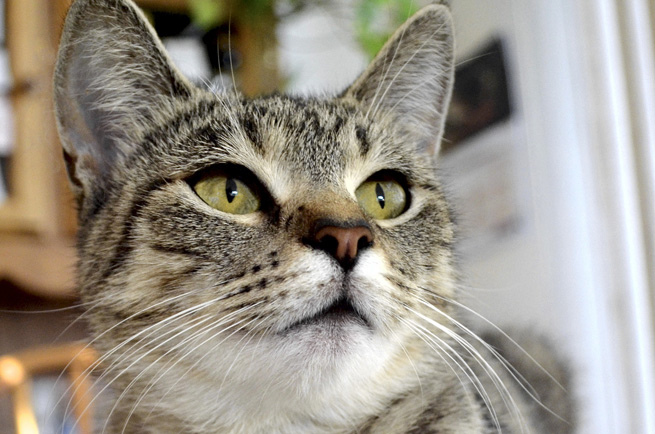
Manx
Famous for their taillessness, the Manx is one of the oldest known cat breeds. They come in four tail variants — rumpy (completely tailless), rumpy-riser (small stub), stumpy (short tail) and longy (near-normal length). Sturdy and round, they move with a distinctive rabbit-like hop.
About
Famous for their taillessness, the Manx is one of the oldest known cat breeds. They come in four tail variants — rumpy (completely tailless), rumpy-riser (small stub), stumpy (short tail) and longy (near-normal length). Sturdy and round, they move with a distinctive rabbit-like hop.
History
The taillessness of the Manx is caused by a spontaneous genetic mutation that occurred on the Isle of Man hundreds of years ago. Due to the island's small, isolated cat population, the gene spread widely. Legends say the Manx lost its tail when Noah closed the ark door too quickly.
Care & Health
Manx syndrome — caused by the same gene responsible for taillessness — can cause spinal issues, bowel problems and bladder dysfunction. Reputable breeders carefully manage breeding to minimise this risk. "Rumpy" Manx cats require regular veterinary monitoring.
Quick Facts
- Origin
- Isle of Man
- Life Span
- 8–14 years
- Size
- medium
- Hair Shed
- moderate
- Grooming
- Once a week
- Good with Kids
- high
- Feeding Cost
- $10–$15 p/w
- Colours
- All colours and patterns except colourpoint.
Health Considerations
Grooming
Double coat benefits from weekly brushing, especially during seasonal shedding.
Related Resources
Similar Breeds
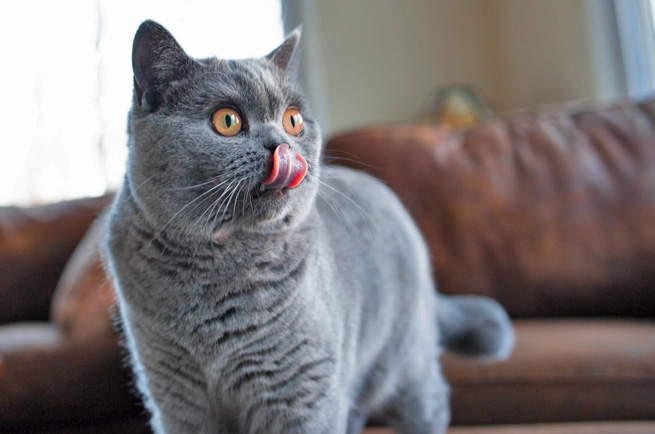
British Shorthair
The British Shorthair is the classic teddy-bear cat — round face, plush coat, and a calm, undemanding personality. One of the oldest and most popular breeds in the world, they are devoted companions who love their humans but aren't overly clingy. Perfect for families, singles and seniors alike.
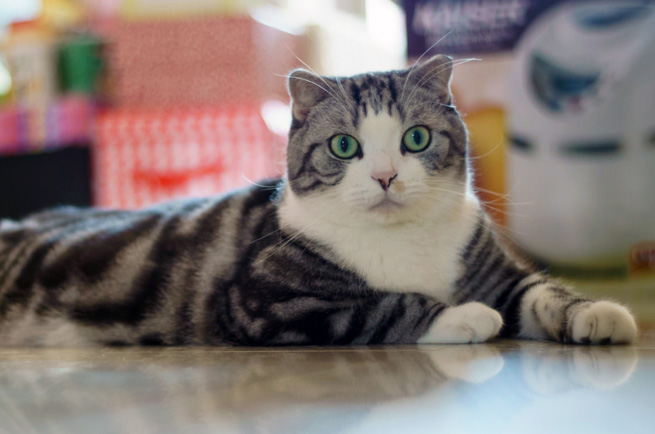
Scottish Fold
The Scottish Fold is instantly recognisable by their signature folded ears and large, round eyes that give them a permanently owl-like expression. Affectionate, calm and adaptable, they are wonderful companions. However, their welfare is a significant concern — all Scottish Folds carry genes that cause a painful skeletal condition.